 ee
eeHow to Use Scotch TL901 Laminator
To use the Scotch TL901 laminator, insert a loaded pouch into the feed slot and the machine does the rest — no complex settings, no guesswork. That straightforward process is exactly why this compact desktop laminator has earned a loyal following among home office users, teachers, and small business owners. If you want professional-grade protection for documents, ID cards, photos, or reference sheets without spending a lot of money or time learning a complicated machine, the Scotch TL901 is worth your attention. This guide walks through everything: the machine's design, a full step-by-step walkthrough of how to use the Scotch TL901 laminator, common myths, and an honest look at where it shines and where it falls short. You can also browse our full roundup of laminators if you're still comparing options.
Contents
Understanding the Scotch TL901 Laminator
The Scotch TL901 is a thermal pouch laminator made by 3M, one of the most recognized names in adhesives and protective coatings. It is designed as a plug-and-go machine — there are no temperature dials or speed selectors. The machine has a single operating mode optimized for standard 3-mil and 5-mil laminating pouches up to letter size. According to Wikipedia's overview of lamination, thermal lamination works by activating a heat-sensitive adhesive inside the pouch, bonding a clear film layer permanently around the document. The TL901 applies that principle in a consumer-friendly format that weighs under three pounds and stores upright.
The design philosophy is deliberate simplicity. There is one button: power. A green ready light tells you when the rollers have reached operating temperature. Insert the pouch, and the machine automatically feeds it through and ejects the finished item from the opposite side. Because there are no adjustable settings, there is also less opportunity for user error — a genuine advantage for anyone who only laminates occasionally and does not want to memorize a settings chart.
Key Specs at a Glance
| Specification | Detail |
|---|---|
| Max document width | 9 inches (letter size) |
| Pouch thickness supported | 3 mil and 5 mil |
| Warm-up time | Approximately 4 minutes |
| Temperature control | Fixed (single setting) |
| Speed settings | None (automatic feed) |
| Jam release | Manual reverse lever |
| Weight | Under 3 lbs |
| Ideal use | Home, classroom, small office |
What You Can Laminate
The TL901 handles a wide range of everyday items. Common use cases include:
- Letter-size documents, flyers, and reference sheets
- Photos up to 4×6 inches (placed inside a larger pouch)
- Business cards, ID-style cards, and name tags
- Instructional signs for classrooms or offices
- Recipe cards and frequently-used checklists
- Children's artwork, flash cards, and learning aids
The machine does not support pouches thicker than 5 mil, and it cannot laminate items wider than nine inches. Legal-size documents require a larger machine. Keep those limits in mind before you buy.
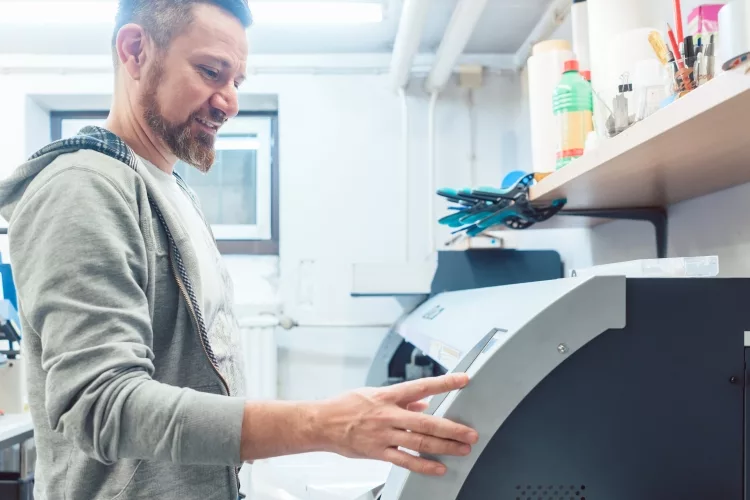
How to Use the Scotch TL901 Laminator: Step-by-Step
Learning how to use the Scotch TL901 laminator takes about five minutes the first time. The process is consistent whether you are laminating a single recipe card or a full stack of classroom materials. Follow these steps exactly for clean, bubble-free results every time.
Preparing Your Documents and Pouches
Preparation is where most laminating mistakes happen, not during the actual run. Take care here and the machine will do its job cleanly.
- Choose the right pouch thickness: Use 3-mil pouches for thin documents like standard printer paper. Use 5-mil pouches when you need a stiffer, more rigid finish — for ID cards or signage, for example.
- Trim your document first: If the document is close to letter size, trim it to leave at least a ¼-inch margin on all sides inside the pouch. The sealed border is what holds the laminate together.
- Slide the document in from the sealed end: Pouch pouches are sealed on one short side. Insert the document into the open end and slide it toward the sealed end. This ensures even coverage.
- Avoid moisture and wrinkles: Any moisture on the paper or wrinkles in the document will show through the finished laminate. Let freshly printed ink dry for at least two minutes before inserting.
- Do not overfill: One sheet per standard pouch. Stacking two sheets inside a single pouch causes bubbles and uneven bonding.
Running the Machine
- Power on: Press the power button. The orange indicator light turns on immediately, signaling the heating element is active.
- Wait for the green ready light: After approximately four minutes, the green light illuminates. Do not insert anything before this light is on — the rollers will not be hot enough to bond the adhesive.
- Insert the pouch sealed-end first: Align the sealed edge of the pouch with the center of the feed slot. The machine grips the pouch automatically and pulls it through at a controlled speed.
- Do not push or pull: Once the machine grabs the pouch, let the rollers do the work. Pushing causes jams; pulling causes tears.
- Collect the laminated item from the exit slot: The finished piece emerges from the opposite side in about 30–45 seconds for a letter-size document.
After the Laminate Exits
Place the finished item on a flat surface and allow it to cool for 30–60 seconds before trimming or handling heavily. The laminate film remains slightly pliable while warm and can take a curved set if you bend it or stack it immediately. Once cooled, trim any excess border with scissors or a rotary cutter for a polished, professional edge. If you encounter a jam at any point, the TL901 includes a manual release lever on the back of the unit — push it to reverse the rollers and free the stuck pouch. For similar jam-clearing techniques on a different brand, the guide on how to unblock a Fellowes laminator covers the underlying mechanics well.
Clearing Up Common Laminating Misconceptions
A handful of persistent myths lead people to either misuse their laminator or avoid buying one altogether. Here are the two most common ones worth addressing directly.
Hot Laminating Always Beats Cold
Many buyers assume thermal laminators automatically produce a better result than cold laminators. That is not universally true. Cold laminators use pressure-sensitive adhesive and require no heat, making them the correct choice for heat-sensitive materials: photos printed on certain inkjet papers, holographic stickers, and items containing wax or crayon. The TL901 is a thermal machine. It works beautifully on standard documents and photos from a laser printer or a dry inkjet print, but it can distort or blister heat-sensitive materials. Know your source material before you choose a laminating method.
Any Pouch Will Work
The TL901 is designed for Scotch-brand laminating pouches, and while it will run compatible third-party pouches, not all pouches are created equal. Pouches thicker than 5 mil will not feed cleanly through the fixed-temperature rollers and will likely jam. Off-brand pouches with inconsistent adhesive coatings may produce bubbles even when everything else is done correctly. Using pouches specifically rated for a fixed-temperature laminator in the 3–5 mil range gives you the most reliable output. This is a common source of frustration for first-time users who blame the machine when the real issue is an incompatible pouch.
Scotch TL901 Strengths, Weaknesses, and Best Use Cases
No laminator is the right choice for every situation. The TL901 earns strong marks in specific contexts and falls short in others. Understanding this split will help you use the machine confidently in its strengths and avoid pushing it beyond its design limits.
When the TL901 Is the Right Choice
The TL901 is genuinely excellent in these scenarios:
- Low-to-moderate volume: If you laminate fewer than 20–30 items per session, the TL901 handles the load without overheating.
- Letter-size and smaller documents: The machine was designed for this format and performs reliably at it.
- First-time laminator buyers: The absence of adjustable settings eliminates the learning curve almost entirely.
- Tight budgets: The TL901 is one of the most affordable thermal laminators available, yet it produces output comparable to machines costing significantly more for standard jobs.
- Classrooms and home offices: Compact storage footprint, quiet operation, and simple use make it practical in shared or small spaces.
If you use the machine alongside a reliable printer, you have a capable document-finishing setup. For printer maintenance tips that complement your document workflow, the guide on how to refill a toner cartridge is a helpful companion resource.
When to Consider Another Machine
The TL901 is not the right tool in every case. Consider a different machine when:
- You regularly laminate legal-size (8.5×14") or larger documents — the TL901 cannot accommodate them.
- You need to laminate heat-sensitive materials like certain photos, crayons, or specialty inkjet prints.
- Your volume is high — laminating large batches daily can cause the TL901 to overheat since it lacks a built-in cooling cycle indicator.
- You need variable thickness support (7 mil, 10 mil) for heavy-duty card stock or menu boards.
- You want a machine that accepts both hot and cold pouches in one unit.
Pros and Cons Summary
| Pros | Cons |
|---|---|
| Extremely easy to operate — one button | No adjustable temperature or speed |
| Compact and lightweight for small spaces | Letter size only — no legal or wide format |
| Budget-friendly entry price | Supports only 3 mil and 5 mil pouches |
| Reliable results on standard documents | Not rated for high-volume continuous runs |
| Consistent 4-minute warm-up time | No cold laminating capability |
| Manual jam release for easy recovery | Only works with compatible pouch brands |
The Scotch TL901 occupies a well-defined niche: a dependable, no-fuss thermal laminator for everyday personal and light professional use. If your laminating needs fit within letter size, standard pouch thicknesses, and moderate volume, it will serve you reliably for years. Ready to put it to use? Pick up a pack of compatible 3-mil or 5-mil pouches, power the machine on, and laminate your first document today — you will have the process memorized before the warm-up light turns green.
Frequently Asked Questions
How long does the Scotch TL901 laminator take to warm up?
The Scotch TL901 laminator takes approximately four minutes to reach operating temperature. The green ready indicator light turns on once the rollers are hot enough to activate the adhesive in the pouch. Do not insert a pouch before this light illuminates or the laminate will not bond correctly.
What pouch thickness does the Scotch TL901 support?
The TL901 is designed to work with 3-mil and 5-mil laminating pouches. Pouches thicker than 5 mil will not feed correctly through the fixed-temperature rollers and are likely to cause jams. Always check the pouch packaging to confirm compatibility before loading.
Can the Scotch TL901 laminate photos?
Yes, the TL901 can laminate photos as long as they are printed on standard paper stock and the ink is fully dry. Photos from laser printers or standard inkjet printers work well. However, heat-sensitive photo papers — some specialty glossy inkjet media — can blister or distort under heat, so test a copy first if you are unsure.
What should I do if the Scotch TL901 jams?
If a pouch jams inside the TL901, do not pull it forcefully from the front. Use the manual release lever located on the back of the machine to reverse the rollers and back the jammed pouch out. Allow the machine to cool for a few minutes before attempting to laminate again, and check that your pouch thickness is within the supported range.
Can I use non-Scotch brand pouches in the TL901?
Many third-party pouches rated for 3 mil or 5 mil will work in the TL901, but results vary by brand. Pouches with inconsistent adhesive coatings can produce bubbles or uneven bonding even when the machine is used correctly. For the most reliable output, use pouches specifically labeled as compatible with fixed-temperature thermal laminators in the 3–5 mil range.
Is the Scotch TL901 good for high-volume laminating?
The TL901 is designed for light to moderate use. Laminating large batches continuously can cause the machine to overheat, since it does not have an automatic cooling cycle or high-volume rated rollers. For heavy daily use — laminating dozens of items in a single session regularly — a commercial-grade laminator with a duty cycle rating is a better investment.
Does the Scotch TL901 support legal-size documents?
No. The TL901 has a maximum feed width of nine inches, which limits it to letter-size (8.5×11 inch) documents and smaller. Legal-size documents (8.5×14 inches) require a laminator with a wider feed slot. If you regularly work with legal-size materials, look for a machine specifically rated for that format.
How do I get bubble-free results with the Scotch TL901?
To avoid bubbles, make sure the document is trimmed to leave a clear border inside the pouch, let any freshly printed ink dry fully before inserting, and insert the pouch sealed-end first without pushing or pulling once the machine takes hold. Bubbles most often result from moisture in the paper, overfilled pouches, or incompatible pouch brands rather than from machine defects.
 |
 |
 |
 |

About Rachel Chen
Rachel Chen writes about scanners, laminators, and home office productivity gear. She started her career as an office manager at a midsize law firm, where she was responsible for purchasing and maintaining all of the document handling equipment for a 60-person staff. That experience sparked a deep interest in archival workflows, paperless office setups, and document preservation. Rachel later earned a bachelor degree in information science from Rutgers University and now writes full time. She is a strong advocate for ADF reliability over raw resolution numbers and has tested every major flatbed and document scanner sold in the United States since 2018.