 ee
eeTablets ›
Best Tablet For Engineering Students: Reviews, Buying Guide and FAQs 2026
Which tablet actually survives four years of CAD drawings, lecture notes, simulation runs, and late-night study sessions — and which one leaves you frustrated mid-semester? After testing every major contender, one device stands out above the rest: the Apple iPad Pro 13-Inch (M4). It's the engineering student's dream machine, but it's not the right fit for everyone's budget or workflow. Read on for the full breakdown.

Engineering students have unique demands that casual tablet buyers simply don't face. You need a display precise enough to spot a mislabeled dimension on a schematic. You need processing power that won't choke when AutoCAD Mobile or MATLAB is open alongside five browser tabs and a PDF reader. And you need a stylus experience accurate enough to annotate technical drawings without second-guessing every stroke. Battery life matters too — an eight-hour lecture day isn't forgiving.
In 2026, the tablet market has matured significantly. Whether you're on iOS, Android, or Windows, there are genuinely excellent options at multiple price points. This guide covers seven of the best tablets for engineering students, from premium workhorses to budget-conscious picks, so you can find the one that fits your workflow and your wallet.
Contents
- Best Choices for 2026
- In-Depth Reviews
- Apple iPad Pro 13-Inch (M4) — Best Overall
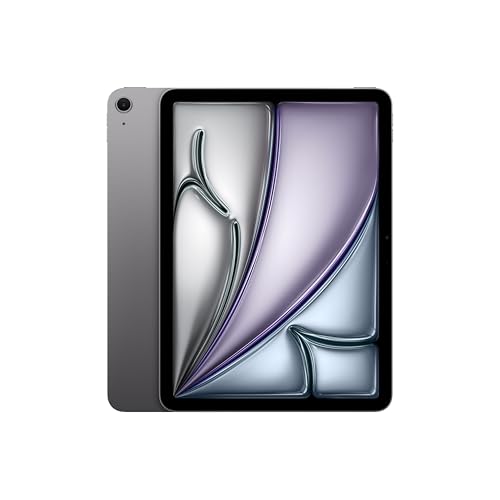
- Apple iPad Air 11-inch (M4) — Best Mid-Range
- Samsung Galaxy Tab S9 Ultra — Best Android Tablet
- Microsoft Surface Go 3 — Best Windows Tablet
- Lenovo Idea Tab Pro — Best Budget Student Tablet
- Apple iPad 11-inch (A16) — Best Entry-Level Apple
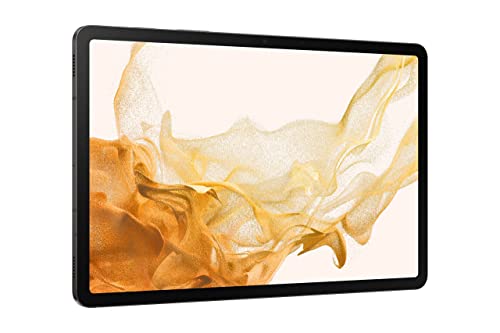
- Samsung Galaxy Tab S8+ Plus — Best Renewed Value
- What to Look For When Buying
- FAQs
- Conclusion
Best Choices for 2026
- #PreviewProductRating
- Bestseller No. 1
 Rating:

- Bestseller No. 2
 Rating:
- Bestseller No. 3
 Rating:
 - Bestseller No. 4
 Rating:
- Bestseller No. 5
 Rating:
 - Bestseller No. 6
 Rating:
 - Bestseller No. 7
 Rating:
In-Depth Reviews
1. Apple iPad Pro 13-Inch (M4) — Best Overall for Engineering Students
The iPad Pro 13-Inch with M4 is not a casual upgrade — it's a full generational leap. The M4 chip delivers desktop-class performance that handles parametric modeling, vector graphics, and multi-app workflows without breaking a sweat. When you're running AutoCAD Mobile, referencing a PDF spec sheet, and jotting notes simultaneously, this tablet doesn't stutter. The Ultra Retina XDR display runs at up to 1000 nits sustained brightness with ProMotion adaptive refresh up to 120Hz, which means smooth Apple Pencil Pro tracking and sharp engineering diagrams at every zoom level.
At 5.1mm thin, the form factor is genuinely impressive — it's lighter and thinner than most textbooks. The 13-inch screen is the sweet spot for engineering work: large enough to view technical drawings without zooming constantly, yet still portable enough to carry to lecture halls. Face ID works reliably even with a keyboard case attached. Wi-Fi 6E support means blazing fast connectivity on modern campus networks, and all-day battery life holds up through eight-hour class days without reaching for a charger.
Apple Intelligence integration adds practical utility for engineering students — summarizing lengthy technical papers, drafting lab reports, and smart rewriting capabilities all run on-device with solid privacy guarantees. Pair it with Apple Pencil Pro for pixel-precise annotation and sketching. This is the tablet you buy once and don't replace for four years.
Pros:
- M4 chip handles professional-grade engineering apps without thermal throttling
- Ultra Retina XDR display with ProMotion is exceptional for technical drawings and schematics
- Impossibly thin and light for a 13-inch device
- Apple Pencil Pro compatibility with pixel-accurate input
- Apple Intelligence features streamline writing and research tasks
- Wi-Fi 6E and Bluetooth 5.3 for fast campus connectivity
Cons:
- Premium price puts it out of reach for budget-constrained students
- iPadOS still has limitations vs. a full desktop OS for some engineering software
- Magic Keyboard and Apple Pencil Pro sold separately, adding to total cost
2. Apple iPad Air 11-inch (M4) — Best Mid-Range Pick
The iPad Air 11-inch (M4) hits the sweet spot between raw power and value for engineering students who don't need the Pro's OLED display but still want a premium experience. The M4 chip is the same silicon found in the iPad Pro — you're getting the identical processor at a lower price. That means complex multitasking, AI-driven tasks, and demanding apps like Shapr3D or GoodNotes 5 all run without compromise. The Liquid Retina display delivers accurate color reproduction and sharp text rendering, which matters when you're staring at circuit diagrams or CAD files for hours.
Wi-Fi 7 with the Apple N1 networking chip is a standout feature — it provides lower latency and faster throughput than Wi-Fi 6E, which is a meaningful advantage on congested university networks. Touch ID is quick and reliable for unlocking and authentication. The 11-inch form factor is the most popular size for a reason: it fits in a backpack without fuss, works comfortably in a lecture hall desk, and still gives you enough screen real estate to split two apps side-by-side.
Storage starts at 128GB but the 256GB configuration is worth the upgrade if you're storing CAD projects, research papers, and course materials locally. All-day battery life is genuine — expect 10+ hours of mixed usage. If the Pro's price is a dealbreaker, this is where you land without compromise on core performance.
Pros:
- Same M4 chip as the iPad Pro at a significantly lower price
- Wi-Fi 7 with Apple N1 chip — fastest wireless on any iPad Air to date
- Liquid Retina display sharp enough for technical work
- Compact 11-inch form factor is ideal for everyday carry
- Apple Intelligence support for productivity features
Cons:
- LCD Liquid Retina can't match the Pro's OLED contrast and color depth
- No ProMotion — 60Hz refresh feels less smooth vs. Pro's 120Hz
- No LiDAR scanner, which limits AR engineering applications
3. Samsung Galaxy Tab S9 Ultra — Best Android Tablet for Engineers
If you're committed to Android and want the most capable tablet the platform has to offer, the Galaxy Tab S9 Ultra is in a class of its own. The 14.6-inch Dynamic AMOLED 2X display is Samsung's largest ever on a tablet — and it shows. Colors are intense, blacks are genuinely deep, and the 120Hz refresh rate keeps everything fluid. For engineering students who need maximum screen real estate to view large schematics, compare documents side-by-side, or run DeX mode with a keyboard, this screen is transformative.
The Snapdragon 8 Gen 2 processor is Samsung's most powerful mobile chip, and it handles demanding Android apps with authority. The 512GB storage configuration means you're not constantly managing local files. The S Pen is included in the box — a point that Apple charges extra for — and the low-latency input is precise enough for technical annotation. The Armor Aluminum frame and IP68 rating mean you can use this tablet confidently in lab environments without worrying about dust or accidental splashes.
The tradeoff is the renewed/refurbished status of this listing, which means cosmetic wear may be present. Samsung's DeX mode turns this into a near-desktop experience when docked with a monitor — a compelling option for students who want one device that works as both tablet and workstation. Android's open ecosystem also gives you access to a broader range of third-party engineering apps.
Pros:
- 14.6-inch Dynamic AMOLED 2X is the largest, most vibrant display in this roundup
- Snapdragon 8 Gen 2 delivers flagship Android performance
- S Pen included — no extra purchase needed
- IP68 water and dust resistance for lab use
- Samsung DeX mode enables a near-desktop workflow
- 512GB storage in this configuration
Cons:
- Renewed listing — cosmetic imperfections possible
- 14.6 inches is genuinely large and less portable than smaller options
- Android app ecosystem for engineering tools is thinner than iOS
4. Microsoft Surface Go 3 — Best Windows Tablet for Full Desktop Software
The Surface Go 3 occupies a unique niche: it runs full Windows 11 Pro in a 10.5-inch tablet body weighing just 1.15 lbs. For engineering students whose programs require Windows-exclusive software — think MATLAB, full SolidWorks, or AutoCAD desktop — this is the only tablet in this list that runs the real thing without compromise. The 1920x1280 PixelSense display packs 216 ppi into a crisp, touch-friendly panel that handles precision work and Windows UI equally well.
The Intel Core i3 processor paired with 8GB RAM handles typical student workloads competently: note-taking, web browsing, Office 365, light CAD, and Python scripting all run smoothly. The 128GB SSD gives you enough local storage for most academic projects. The MicroSD slot is a bonus — expand your storage cheaply if needed. Windows 11 Pro also gives you domain join, BitLocker encryption, and remote desktop capabilities, which some university IT departments require.
The Surface Go 3 runs warmest when taxed with full desktop applications, and the i3 will bottleneck under heavy simulation or rendering loads. The Type Cover keyboard and Surface Pen are sold separately, which adds to the total cost. But as a compact, genuinely portable Windows device that fits in any bag and runs real engineering software, it earns its place on this list.
Pros:
- Full Windows 11 Pro — runs any Windows engineering software natively
- Lightest Surface ever at 1.15 lbs, genuinely backpack-friendly
- 1920x1280 PixelSense display with 10-point touch
- MicroSD slot for expandable storage
- Microsoft Renewed certification with quality assurance
Cons:
- Intel Core i3 will struggle with heavy simulation or rendering workloads
- Type Cover keyboard and Surface Pen sold separately — total cost rises fast
- 10.5-inch screen is small for split-screen productivity
- Battery life is shorter than ARM-based competitors
5. Lenovo Idea Tab Pro — Best Budget Tablet for Students
The Lenovo Idea Tab Pro is one of the most compelling value propositions in the 2026 tablet market, specifically because it ships with a pen and a folio case included. No extra purchases needed out of the box. The 12.7-inch 3K LCD display is exceptional at this price point — sharp, bright, and wide enough for split-screen note-taking alongside lecture slides. The quad JBL speakers with Dolby Atmos make online lectures and recorded video content genuinely enjoyable to watch without external speakers.
Under the hood, the MediaTek Dimensity 8300 processor is an efficiency-first chip that punches above its price class. Wi-Fi 6E support ensures low-latency campus connectivity. Google Gemini integration adds AI-assisted study tools directly into the Android experience — summarizing text, answering questions, and generating study guides on-device. For first and second-year engineering students who haven't yet committed to a platform and need a capable daily driver without overspending, this is the pick.
The 8GB RAM and 128GB storage configuration is adequate for student workloads, though heavy multitaskers will notice the ceiling compared to the Pro-tier options. Android's engineering app ecosystem is narrower than iOS, but essential tools like Notability, GoodNotes (Android), Wolfram Alpha, and web-based CAD tools like Onshape all run reliably. The included pen has solid latency characteristics for note-taking, even if it lacks the precision of Apple Pencil Pro or Samsung's S Pen.
Pros:
- Pen and folio case included — no extra cost accessories
- 12.7-inch 3K LCD is sharp and large for the price
- Quad JBL Dolby Atmos speakers are best-in-class for media consumption
- Google Gemini AI integration for study assistance
- Wi-Fi 6E for fast, low-latency connectivity
- Exceptional battery life from efficient Dimensity 8300 chip
Cons:
- 8GB RAM limits heavy multitasking compared to premium options
- Included pen is less precise than Apple Pencil Pro or Samsung S Pen
- Android engineering app library is narrower than iOS
6. Apple iPad 11-inch (A16) — Best Entry-Level Apple Option
The entry-level iPad received a significant upgrade in 2026 with the A16 chip — the same processor that powers the iPhone 15 Pro. For engineering students on a tighter budget who want the iOS ecosystem, Apple Pencil compatibility, and access to the App Store's depth of engineering apps, this is the most affordable path in. The Liquid Retina display delivers accurate colors, True Tone ambient adaptation, and crisp text — it's not the XDR panel from the Pro, but it's excellent for the price.
The USB-C connector is a practical upgrade that previous iPad generations lacked — you can connect external drives, charge other devices, and use it with USB-C monitors for a quasi-desktop setup. Wi-Fi 6 connectivity covers most campus network standards. Storage starts at 128GB, which is a sensible baseline for academic use — store your apps, notes, and projects locally without constantly offloading to cloud storage.
The A16 chip handles everyday engineering tasks — GoodNotes, Notability, Wolfram Alpha, AutoCAD Mobile, and web-based tools — without hesitation. Where it shows its budget roots is in sustained heavy workloads: extended rendering, complex 3D modeling, and thermal management under load are all noticeably less capable than the M4-powered options. But for students in their first two years whose heaviest digital tasks are annotation and research, the performance ceiling is rarely hit.
Pros:
- Most affordable Apple tablet with A16 chip performance
- Access to the full iOS engineering app ecosystem
- USB-C connectivity for peripherals and external displays
- True Tone Liquid Retina display is easy on the eyes during long sessions
- All-day battery life is reliable through a full class day
Cons:
- No ProMotion — 60Hz display feels dated vs. Pro and Air
- Apple Pencil compatibility requires separate purchase
- No Apple Intelligence support limits AI productivity features
- A16 performance lags behind M4 in sustained workloads
7. Samsung Galaxy Tab S8+ Plus — Best Renewed Value Pick
The Galaxy Tab S8+ Plus is a previous-generation flagship that still delivers serious performance in 2026, especially in its renewed configuration. The 12.4-inch Super AMOLED display runs at 120Hz with HDR10+ support — it's genuinely beautiful for both technical work and media consumption, with deep blacks and punchy colors that make schematics and reference images pop. The 10,090mAh battery is enormous and delivers all-day and then some — this tablet won't die mid-lecture even under heavy use.
The Snapdragon 8 Gen 1 processor was flagship-tier when released and still handles all core engineering student tasks without complaint. 8GB RAM paired with 128GB storage is a workable configuration, though heavy app switchers may notice the memory ceiling. The S Pen is magnetic and ships in-box with ultra-low latency input — for annotation-heavy workflows, the S Pen experience is among the best in the Android ecosystem. USB Type-C 3.2 support enables fast data transfer and display output.
The renewed pricing makes this one of the best per-dollar options in the entire roundup. If your priority is maximum screen quality and S Pen precision at a mid-range price point, this delivers. Just know you're buying previous-gen silicon, and Android 12 may eventually reach end-of-support on this device. For a four-year engineering program starting in 2026, that's worth factoring in.
Pros:
- 12.4-inch 120Hz Super AMOLED display is premium quality at a renewed price
- S Pen included with magnetic attachment and ultra-low latency
- 10,090mAh battery easily lasts a full academic day
- USB Type-C 3.2 for fast transfers and display output
- Renewed pricing delivers flagship features at mid-range cost
Cons:
- Snapdragon 8 Gen 1 is previous-gen — runs warmer under sustained load
- Android 12 / One UI 4.1 may not receive future OS updates
- Renewed condition means cosmetic wear is possible
- 128GB fills up quickly with engineering project files
What to Look For When Buying a Tablet for Engineering Students
Processing Power and RAM
Engineering apps are CPU and RAM-hungry. Here's what the numbers mean for your daily workflow:
- Apple M4 / M-series chips: Exceptional sustained performance, excellent thermal management, run iOS engineering tools without throttling
- Snapdragon 8 Gen 2: The Android performance benchmark — handles DeX mode, split-screen multitasking, and S Pen workflows reliably
- Intel Core i3 (Surface Go 3): Runs full Windows desktop apps, but throttles under heavy simulation loads
- 8GB RAM minimum: Anything below shows its ceiling when switching between CAD apps, PDFs, and browser tabs simultaneously
- 16GB RAM preferred: For students doing simulation, 3D modeling, or heavy multitasking, 16GB removes the bottleneck
Display Quality and Size
Your display is your primary workspace. Don't compromise here:
- 11–13 inches is the ideal range — large enough for split-screen, small enough for backpack portability
- ProMotion (120Hz): Makes stylus input feel natural and scroll animations fluid — a genuine quality-of-life upgrade for note-takers
- Resolution matters: Aim for at least 2K resolution to read fine print on technical drawings without zooming constantly
- Color accuracy (P3 wide color): Critical if your engineering work involves color-coded diagrams, PCB layouts, or material science visualizations
- Anti-reflective coating: Reduces glare in bright lecture halls and outdoor study environments
Stylus Compatibility and Precision
For engineering students, stylus input is non-negotiable:
- Apple Pencil Pro / 2nd Gen: The gold standard for precision annotation — pixel-accurate, palm-rejection, pressure-sensitive
- Samsung S Pen: Ultra-low latency, included with Galaxy Tab S8+ and S9 Ultra — excellent for technical freehand work
- Lenovo Precision Pen: Bundled with the Idea Tab Pro — solid for note-taking, less precise than Apple or Samsung premium pens
- Surface Pen: 4,096 pressure levels on Surface devices — sold separately but integrates deeply with Windows Ink
Battery Life and Portability
A tablet that dies in your third class of the day is useless. Non-negotiables:
- 10+ hours of real-world use: Marketing specs are optimistic — verify independent reviews reflect actual heavy-use battery life
- USB-C fast charging: All tablets in this list charge via USB-C — 45W+ charging fills a tablet in under an hour
- Weight under 700g: Anything heavier becomes a nuisance in a packed laptop bag with textbooks
- Cellular option: If your campus Wi-Fi is unreliable, a LTE/5G-enabled tablet pays for itself quickly in uninterrupted connectivity
Buy on Walmart
- Apple iPad Pro 13-Inch (M4): Built for Apple Intelligence, U — Walmart Link
- Apple iPad Air 11-inch (M4): Liquid Retina Display, 256GB, 1 — Walmart Link
- Samsung Galaxy Tab S9 Ultra (Wifi) SM-X910 WIFI 512GB Graphi — Walmart Link
- Microsoft Surface Go 3-10.5" Touch-Screen - Intel Core i3-8G — Walmart Link
- Lenovo Idea Tab Pro with Google Gemini - Student Tablet - 12 — Walmart Link
- Apple iPad 11-inch: A16 chip, 11-inch Model, Liquid Retina D — Walmart Link
- SAMSUNG Samsung Galaxy Tab S8+ Plus w/Low Latency S-Pen (128 — Walmart Link
Buy on eBay
- Apple iPad Pro 13-Inch (M4): Built for Apple Intelligence, U — eBay Link
- Apple iPad Air 11-inch (M4): Liquid Retina Display, 256GB, 1 — eBay Link
- Samsung Galaxy Tab S9 Ultra (Wifi) SM-X910 WIFI 512GB Graphi — eBay Link
- Microsoft Surface Go 3-10.5" Touch-Screen - Intel Core i3-8G — eBay Link
- Lenovo Idea Tab Pro with Google Gemini - Student Tablet - 12 — eBay Link
- Apple iPad 11-inch: A16 chip, 11-inch Model, Liquid Retina D — eBay Link
- SAMSUNG Samsung Galaxy Tab S8+ Plus w/Low Latency S-Pen (128 — eBay Link
FAQs
Is an iPad or an Android tablet better for engineering students in 2026?
It depends on your software requirements. iPads have a deeper library of precision engineering apps — Shapr3D, GoodNotes, Notability, AutoCAD Mobile, and Wolfram Alpha all perform at their best on iOS. Android tablets like the Samsung Galaxy Tab S9 Ultra offer more flexibility, DeX desktop mode, and a broader file management system. If your program requires Windows-only software like full SolidWorks or ANSYS, neither platform competes with the Surface Go 3 running Windows 11 Pro. Assess your required tools first, then choose your platform.
Do I need a stylus for engineering school?
Strongly yes. The ability to annotate lecture slides in real time, sketch design concepts, and hand-write equations in digital ink saves hours every week compared to typing. Tablets with included pens — the Samsung Galaxy Tab S9 Ultra, the Tab S8+ Plus, and the Lenovo Idea Tab Pro — offer immediate out-of-box value. For Apple tablets, budget for an Apple Pencil separately; the investment is worth it for the precision.
Can a tablet replace a laptop for engineering students?
For many students, yes — with conditions. If your engineering program relies on web-based tools, Microsoft 365, and iOS/Android-native apps, a tablet with a keyboard case is a full laptop replacement. If you need Windows desktop software like ANSYS, Autodesk Inventor, or MATLAB's full desktop interface, only the Surface Go 3 among this list runs those natively. Most students find a tablet plus access to a school computer lab covers all their bases without carrying a separate laptop.
How much storage do I need on a tablet for engineering school?
128GB is workable but tight over a four-year program. 256GB is the sweet spot for most students — enough to store projects, course materials, downloaded lectures, and apps without constantly deleting files. If you're doing CAD-heavy work with large assembly files, or storing a library of technical PDFs and research papers locally, consider 512GB or supplement with cloud storage and a microSD card where supported. The iPad Pro and Air don't have microSD slots, so factor that into your storage decision upfront.
Is a renewed or refurbished tablet a good idea for engineering students?
Yes, when it comes from a certified seller like Amazon Renewed or Samsung Certified Re-Newed. Renewed devices carry a warranty and pass inspection standards. The Samsung Galaxy Tab S9 Ultra and Tab S8+ Plus in this roundup are renewed listings that deliver flagship-tier performance at mid-range prices. The main caveat: you may see minor cosmetic wear, and the software generation is older — factor in the remaining update timeline before committing to a four-year device.
What's the best tablet for engineering students on a tight budget in 2026?
The Lenovo Idea Tab Pro offers the best value if you want a brand-new device. It ships with a pen and a folio case included, features a sharp 12.7-inch 3K display, runs Google Gemini for AI-assisted study, and delivers excellent battery life — all at a price well below the Apple and Samsung flagships. If budget is the primary constraint, this is your pick. For slightly more budget with renewed options, the Samsung Galaxy Tab S8+ Plus delivers a Super AMOLED display and included S Pen at competitive pricing.
Buy the tablet that runs your required software first, then optimize for display and stylus quality — because the best tablet for engineering school is the one that never holds your workflow back.


