 ee
eeBest Epson Projectors
If you want one projector that handles gaming, streaming, and cinematic 4K all in a single box, the Epson Home Cinema 2350 is your starting point in 2026 — its Android TV integration and ultra-low input lag put it ahead of every similarly priced competitor. Epson has built a reputation across decades of display innovation, and their current lineup spans everything from compact portable lasers to flagship ultra-short-throw behemoths that replace your television entirely. Understanding which model fits your room, your budget, and your viewing habits is the difference between a purchase you'll celebrate and one you'll resent every time you fire it up.
Epson's defining technical advantage is their 3-chip 3LCD architecture, which processes red, green, and blue color channels simultaneously rather than spinning a color wheel through a single chip. The practical result is that color brightness matches white brightness — meaning the vivid greens on a football pitch or the deep reds in a sunset scene look exactly as punchy as they do on spec sheets, without the "rainbow effect" that plagues single-chip DLP projectors. This matters enormously when you're evaluating real-world picture quality rather than lab measurements, and it's why Epson consistently earns the trust of serious home theater enthusiasts. According to the LCD projector overview on Wikipedia, 3LCD technology has been the backbone of high-brightness professional projection for decades, and Epson's consumer implementations carry that heritage directly into your living room.
The seven models below cover every realistic use case in the Epson ecosystem — from a 4K gaming projector with built-in smart TV capabilities to a laser-powered ultra-short-throw unit that projects 150 inches from just a few inches off the wall. Whether you're building a dedicated dark room, outfitting a bright living room, or looking for something you can carry to a backyard movie night, this guide walks you through each option with the specificity you need to make the right call. If you're also exploring throw distance alternatives from other manufacturers, our Best Long Throw Projectors 2026 guide covers the broader landscape.
Contents
- Standout Models in 2026
- In-Depth Reviews
- Epson Home Cinema 2350 — Best for Smart Gaming
- Epson Home Cinema 3800 — Best Mid-Range 4K
- Epson Home Cinema 5050UB — Best for Dedicated Home Theater
- Epson Pro Cinema 6050UB — Best Professional-Grade
- Epson EpiqVision Ultra LS800 — Best Ultra-Short-Throw Laser
- Epson EpiqVision Ultra LS500 — Best Renewed Value
- Epson EpiqVision Mini EF21 — Best Portable Laser
- How to Pick the Best Epson Projector
- Common Questions
- Next Steps
Standout Models in 2026
- #PreviewProductRating
- Bestseller No. 1
 Rating:

- Bestseller No. 2
 Rating:
- Bestseller No. 3
 Rating:
 - Bestseller No. 4
 Rating:
- Bestseller No. 5
 Rating:
 - Bestseller No. 6
 Rating:
 - Bestseller No. 7
 Rating:
In-Depth Reviews
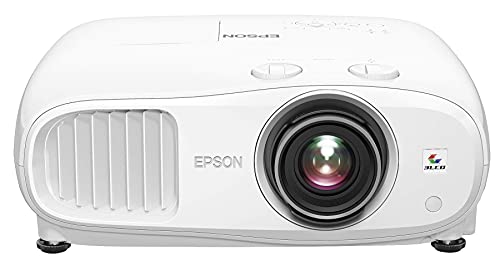
1. Epson Home Cinema 2350 — Best for Smart Gaming
The Epson Home Cinema 2350 occupies a uniquely compelling position in 2026's projector market because it combines Android TV smart functionality with serious gaming credentials in a package that most competing brands split across two entirely separate products. The built-in Android TV interface gives you direct access to Netflix, Disney+, and every major streaming service without an external dongle cluttering your setup, while the low-latency game mode delivers a responsive feel that console players will immediately appreciate. Bluetooth connectivity means you can pair wireless headphones or a speaker without routing cables across your room, and the 10-watt built-in speaker performs well enough for casual viewing even if you'll ultimately want to pipe audio through a receiver for serious movie nights.
The 4K PRO-UHD picture processing leverages Epson's pixel-shifting approach alongside advanced color and image processing to produce a genuinely sharp 4K-quality image, and the 2,800 lumens of combined color and white brightness means you don't need to black out your room to enjoy the picture. HDR10 and HLG support both decode correctly, with highlights that bloom convincingly without crushing shadow detail — a balance that many projectors at this price point get wrong in one direction or the other. The true 3-chip 3LCD engine ensures that every frame receives the full RGB color signal simultaneously, eliminating the color brightness penalties that single-chip projectors impose. If you're comparing this against non-Epson alternatives, our projector category hub provides a broader competitive overview.
Where the 2350 earns its top-pick status is the combination of features that would each individually cost a premium on other platforms — you're getting smart TV, gaming optimization, and genuine 4K image quality in one unit, and the image holds up under the scrutiny of extended daily use rather than just impressive demo-room conditions. The Android TV implementation is current and receives regular updates, so the software experience doesn't feel like an afterthought bolted onto a projection engine.
Pros:
- Integrated Android TV eliminates the need for a streaming stick or box
- 2,800 lumens of color and white brightness performs well in mixed-light rooms
- Low-latency game mode delivers genuine gaming responsiveness
- HDR10 and HLG support with accurate tone mapping
- Bluetooth audio output for wireless headphone or speaker pairing
Cons:
- 4K PRO-UHD uses pixel-shifting rather than native 4K panels, which purists will note
- Built-in 10-watt speaker is adequate but not a substitute for a proper audio system
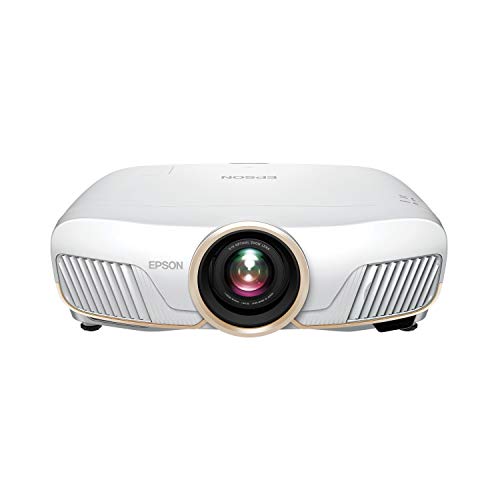
2. Epson Home Cinema 3800 — Best Mid-Range 4K Home Theater
The Home Cinema 3800 represents the entry point into Epson's more serious home theater tier, and it earns that position by delivering a picture quality step-up that you can actually see rather than just read about on a spec sheet. The 4K PRO-UHD pixel-shifting processor works in concert with three individual high-definition LCD chips to produce an image density that reads as genuinely 4K under normal viewing distances, and the HDR implementation handles both the bright and shadow portions of HDR content with the kind of nuance that the 2350's processing sometimes compresses. Color accuracy is where the 3800 particularly shines — the wide color gamut coverage means that content mastered for DCI-P3 or Rec. 2020 color spaces actually looks the way the director intended rather than being silently clipped to a smaller gamut.
The true 3-chip architecture here is the same fundamental technology that makes Epson's commercial and installation projectors so reliable in professional environments — each color channel has its own dedicated LCD panel, and the three images are optically combined before hitting the lens. This means 100% of the RGB signal reaches every frame without sequential color rendering, and the resulting image is free from the color fringing that single-chip DLP projectors sometimes exhibit on high-contrast edges. The pixel-shifting technology is sophisticated enough that the shift happens faster than the human visual system can resolve, producing a clean, sharp image that holds up even on the large screen sizes this projector is designed to fill.
The 3800 lacks the built-in smart TV platform of the 2350, so you'll need to add a streaming device — a Fire TV Stick 4K Max or Apple TV 4K pairs naturally with this projector's capabilities. That's a minor inconvenience that audiophile-grade home theater builders typically prefer anyway, since it gives you control over which streaming interface you run rather than being locked to a manufacturer's choice. This projector is purpose-built for dedicated viewing rooms where picture quality takes precedence over convenience features.
Pros:
- Improved color gamut coverage over entry-level models for more accurate HDR rendering
- True 3-chip 3LCD design with no rainbow effect or color brightness penalty
- 4K PRO-UHD pixel-shifting produces convincingly sharp large-screen images
- Solid build quality with a mature, proven optical engine
Cons:
- No built-in smart TV platform — requires an external streaming device
- Slightly older model design compared to newer Epson releases
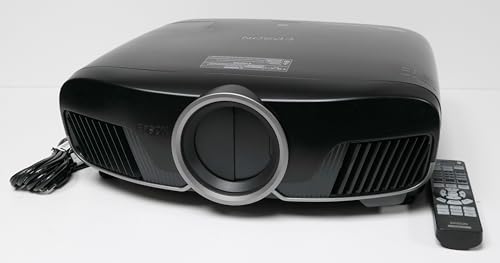
3. Epson Home Cinema 5050UB — Best for Dedicated Home Theater Rooms
The Home Cinema 5050UB is where Epson's consumer line transitions into territory that used to require spending twice the money, and in 2026 it remains one of the most respected projectors in the enthusiast community for exactly that reason. The advanced pixel-shifting processor controls three independent high-definition LCD panels with a precision that produces an image density indistinguishable from native 4K at any normal seating distance, and the optical system has been engineered with enough reserved performance headroom that the 5050UB handles even the most demanding HDR content without visibly clipping highlights or crushing shadow detail. The combination of a wide color gamut engine with this level of pixel precision is genuinely exceptional, and experienced home theater builders consistently cite the 5050UB as the clearest value proposition in Epson's lineup.

What separates the 5050UB from the 3800 in real-world use is the refinement of the image processing pipeline and the optical coating quality of the lens assembly. Edge sharpness across the full image field is more consistent on the 5050UB, which matters significantly when you're projecting 120 inches or larger and your eye naturally scans across the entire frame. The projector's lens shift range is also wider, giving you substantially more placement flexibility — you can offset the projector significantly from the screen centerline both vertically and horizontally without resorting to keystoning, which always degrades image quality. For a dedicated theater room with a fixed installation, this flexibility is worth real money in terms of installation options.
The 5050UB delivers its best performance in a controlled dark room environment where it can fully exploit its contrast ratio capabilities — when you pull down the lights and let the optical system work without ambient competition, the black levels and highlight separation combine to produce a cinematic image that genuinely rivals much more expensive display technologies. This is the projector you buy when you're serious about building a proper home theater rather than improving your living room television situation.
Pros:
- Exceptional image refinement and processing pipeline over lower-tier models
- Wide lens shift range allows flexible installation without image quality penalties
- Outstanding black levels and contrast ratio in properly darkened rooms
- Full color gamut coverage for accurate DCI-P3 and HDR content rendering
Cons:
- Designed for dark rooms — ambient light performance is not its strength
- No built-in smart TV platform requires an additional streaming device
4. Epson Pro Cinema 6050UB — Best Professional-Grade Home Theater
The Pro Cinema 6050UB is Epson's statement that the boundary between professional installation-grade projection and home theater has effectively dissolved, and the technical specifications back up that claim with authority. The native 3840×2160 UHD resolution support combined with the advanced 3-chip design means you're receiving a full-resolution signal from Ultra HD Blu-ray discs or 4K streaming sources and processing it through three dedicated LCD panels that each resolve their color channel at full pixel density. HDR10 compatibility is implemented at a level of sophistication that allows the projector to dynamically optimize the tone-mapping curve for each content source rather than applying a static brightness reduction across the board, which is the approach that produces the washed-out HDR appearance common on lesser implementations.
The advanced 3-chip design in the 6050UB incorporates higher-grade optical elements than those found in the consumer-series models, including a precision-engineered lens assembly that maintains corner-to-corner sharpness at large screen sizes and a color filter system calibrated to tighter tolerances. Professional calibrators who work with both the 5050UB and 6050UB consistently report that the 6050UB requires fewer adjustments to reach accurate color targets out of the box, which reflects both the quality of the factory calibration process and the optical precision of the components involved. If you're investing in a dedicated screening room with 150-inch or larger screen real estate, the 6050UB's optical headroom justifies the premium over the 5050UB.
The 6050UB also carries a more robust chassis and thermal management system than the consumer-series models, which matters if your projector runs for extended sessions — multi-hour movie marathons, extended gaming sessions, or sports viewing events that push the lamp through hours of continuous operation. The professional-grade build is visible in the feel of the controls and the stability of the focus and zoom mechanisms, both of which maintain their set positions reliably over temperature cycles and extended runtimes. This is the Epson you buy once and keep for the next decade.
Pros:
- Native 3840×2160 UHD support with full-resolution 4K signal processing
- Professional-grade optical components with tighter factory calibration tolerances
- Advanced HDR10 tone mapping with dynamic optimization per content source
- Robust chassis and thermal management for extended-session reliability
Cons:
- Premium pricing positions this firmly in the high-end segment
- Overkill for casual viewers or rooms smaller than 12 feet viewing distance
5. Epson EpiqVision Ultra LS800 — Best Ultra-Short-Throw Laser Projector
The EpiqVision Ultra LS800 redefines what you expect from a living room display in 2026 by projecting a 150-inch image from a unit that sits just inches from the wall — no ceiling mount, no long cable runs, no complex installation workflow required. The 4,000-lumen laser light source is the critical differentiator here, delivering enough brightness to maintain image quality even in rooms with significant ambient light during daytime viewing, which is the primary real-world objection to projector-based home displays. The laser array technology also eliminates the lamp replacement cycle that traditional projectors impose — laser sources are rated for tens of thousands of hours of operation, so the LS800 effectively becomes a permanent display installation rather than a maintenance project.
The true 3-chip 3LCD engine in the LS800 processes the full 4,000 lumens through all three color channels simultaneously, which means the brightness figure you read on the spec sheet translates directly to color brightness in practice — not just white brightness measured through an unfiltered lens. This distinction matters enormously in ultra-short-throw projectors, where competing single-chip DLP designs often quote impressive white brightness figures that collapse to significantly lower color brightness once real content runs through the color wheel. The 4K PRO-UHD pixel-shifting technology combined with the LS800's high-grade lens produces an image sharp enough that the pixel structure becomes invisible at any reasonable seating distance. Our Best Ultra Short Throw Projectors 2026 guide compares the LS800 against competing ultra-short-throw options from Sony and LG if you want a cross-brand comparison.
The built-in Android TV platform with 2.1-channel Yamaha speakers transforms the LS800 from a display component into a complete entertainment system — the Yamaha audio partnership specifically addresses the weakest point in most projector-as-TV setups, which is that built-in audio typically sounds hollow and uninvolving. The Yamaha-tuned speaker array delivers enough bass and clarity for casual viewing without requiring you to immediately add a soundbar, though serious home theater enthusiasts will still route audio to a dedicated system. The HDMI 2.0 inputs handle 4K HDR sources without compromise, and the smart TV interface is responsive and well-organized.
Pros:
- 4,000 lumens of true color brightness performs in ambient light conditions
- Ultra-short-throw placement projects 150 inches from just a few inches off the wall
- Laser light source eliminates lamp replacement and provides 20,000+ hour lifespan
- Built-in Android TV with Yamaha 2.1-channel speakers for all-in-one setup
- True 3-chip 3LCD ensures color brightness matches white brightness spec
Cons:
- Ultra-short-throw placement requires a very flat, smooth wall or dedicated UST screen for best results
- Premium pricing reflects the laser source and Yamaha audio partnership
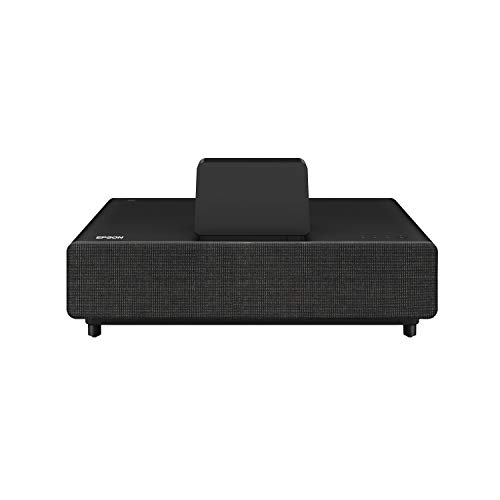
6. Epson EpiqVision Ultra LS500 — Best Renewed Value Ultra-Short-Throw
The EpiqVision Ultra LS500 in its Epson Certified Renewed configuration offers the same laser ultra-short-throw technology that made the original LS500 a landmark product, at a price point that makes the category accessible to buyers who want laser-quality imaging without the full cost of the current-generation LS800. Every Epson Certified Renewed unit goes through an inspection and testing protocol run by Epson's own quality-assurance team, which means you're receiving a projector that has been verified to perform within original specifications rather than one that has simply been cleaned and repackaged. The laser-array light source means that even a renewed unit carries the same theoretical lifespan advantage over traditional lamp projectors that a new unit does — laser degradation is minimal at the hours-of-use levels typical of renewed stock.
The LS500 delivers a 130-inch picture from an ultra-short-throw position, with 4,000 lumens of brightness that makes it genuinely viable in living rooms with typical daytime light levels. The built-in Android TV and Google Assistant voice control system provides the same smart platform convenience as the LS800, and HDMI 2.0 inputs handle 4K HDR source material from Ultra HD Blu-ray players or 4K streaming boxes without any signal degradation. The ultra-short-throw laser technology is the same fundamental architecture that Epson developed for their professional installation products — a lens and mirror system specifically engineered to project a large, flat image from a position close to the wall, rather than simply using a wider-angle conventional lens which produces trapezoidal distortion at extreme angles.
The renewed designation does mean you should register the product with Epson immediately upon receipt to understand the applicable warranty coverage, which will be less than a new unit's full warranty period. For buyers who understand that distinction and want the LS500's capabilities at a reduced price point, the certified renewal program is a legitimate and well-executed way to access this technology. The built-in speaker system provides adequate audio for casual use, and HDMI connectivity with HDMI 2.0 bandwidth ensures you're not creating a bottleneck in a 4K HDR signal chain.
Pros:
- Epson Certified Renewed with quality-assurance inspection and performance verification
- Laser light source retains full lifespan benefit regardless of renewed status
- 4,000 lumens handles bright living room environments effectively
- Built-in Android TV and Google Assistant provide full smart TV functionality
Cons:
- Renewed warranty coverage is shorter than a new unit purchase
- 130-inch maximum is smaller than the LS800's 150-inch capability
7. Epson EpiqVision Mini EF21 — Best Portable Laser Projector
The EpiqVision Mini EF21 is Epson's answer to the question of what happens when you take their laser and 3LCD technology and engineer it into a form factor you can actually pick up and carry — and the result in this Certified Renewed configuration is a genuinely capable portable projector that doesn't ask you to compromise on picture quality the way most portable projectors do. The true laser-array light source produces a Full HD picture with HDR color rendering that the LED-illuminated competition simply cannot match, and the 1,000 lumens of color brightness is specified per IDMS standards — a measurement protocol that reflects real-world viewing conditions rather than the inflated brightness figures that some manufacturers quote under optimal laboratory conditions. For a portable projector, 1,000 IDMS lumens is a figure that holds up in dim rooms and low-light outdoor environments where you're realistically going to use this product.
The built-in Google TV platform gives you direct access to the full range of streaming services without carrying an additional dongle, and the integrated stereo speaker system provides enough audio output for small-group viewing in garden or patio environments. The EF21 can scale up to a 150-inch image from a standard throw distance, which means backyard movie nights can deliver a genuinely cinematic screen size from a projector that fits in a bag. The Full HD 1080p native resolution is a deliberate engineering choice that allows Epson to hit the weight and size targets for genuine portability while maintaining the optical quality that their laser-array system delivers — and at viewing distances appropriate for 80 to 120-inch screens, 1080p resolution is completely indistinguishable from 4K. If you're evaluating other portable options alongside this one, our Best Mini Projector 2026 guide covers the full portable landscape.
The Certified Renewed designation follows the same Epson quality-assurance process as the LS500 Renewed — each unit is inspected and tested to confirm it performs within original specifications. For buyers who want the EF21's combination of portability, laser quality, and Google TV functionality at a reduced entry cost, the renewed program delivers real value. The HDR color rendering from the laser source is particularly effective with nature documentaries and animated content, where the saturation and contrast advantages of laser illumination are most visually apparent.
Pros:
- True laser-array illumination delivers Full HD HDR quality in a portable form factor
- 1,000 IDMS-rated lumens is an honest brightness specification that holds up in real use
- Built-in Google TV with Netflix for streaming without additional devices
- Projects up to 150 inches for large backyard or indoor presentations
Cons:
- 1080p native resolution, not 4K — fine for most portable use cases but worth noting
- Renewed warranty terms are reduced compared to purchasing new
How to Pick the Best Epson Projector
Lumen Output and Room Lighting Conditions
Brightness is the specification that will have the most immediate impact on your satisfaction with any projector, and Epson's lineup spans from 1,000 lumens in the portable EF21 to 4,000 lumens in the laser-powered LS800 and LS500 models. The rule of thumb is that you need more lumens whenever ambient light is present — a completely dark dedicated theater room can produce stunning results from 2,000 to 2,800 lumens, while a living room with windows and typical daytime light levels needs 3,500 lumens or more to maintain acceptable contrast and color saturation. The laser-illuminated models in Epson's lineup deliver their brightness advantage in a form that doesn't degrade over the product's lifespan, whereas traditional lamp projectors lose brightness gradually as the lamp ages through its rated hours.
Throw Distance and Room Geometry
Every projector has a throw ratio — the relationship between projection distance and screen width — that determines how far back the unit needs to sit to produce a given screen size. Standard throw projectors like the 2350, 3800, 5050UB, and 6050UB require eight to fourteen feet of distance to produce 100 to 120-inch images, making them ideal for rooms with depth. Ultra-short-throw projectors like the LS800 and LS500 invert this equation entirely, sitting just inches from the wall to project 130 to 150 inches — which solves the installation problem for rooms that don't have the depth for conventional projection. Choosing the wrong throw type for your room geometry is the most common projector purchase mistake, and it's worth measuring your available distance before committing to a model.
Light Source Technology: Laser vs. Lamp
Three of the seven models in this review — the LS800, LS500, and EF21 — use laser array illumination rather than traditional UHP lamp technology. The practical advantages of laser illumination are meaningful: near-instant startup and shutdown with no warm-up period, a light source that maintains consistent brightness over tens of thousands of hours rather than degrading and eventually failing like a lamp, and color gamut coverage that laser phosphor technology produces naturally without filter corrections. Lamp-based projectors like the 2350, 3800, 5050UB, and 6050UB still offer advantages in peak contrast performance in dark room environments, and their price-per-performance ratio remains competitive — but the operational convenience of laser illumination is a real factor in the ownership experience, particularly if you use your projector for daily viewing rather than occasional movie nights.
Smart Platform and Connectivity Requirements
The 2350, LS800, LS500, and EF21 all include built-in smart TV platforms — Android TV or Google TV — which eliminates the need for an external streaming device and simplifies your cable management and remote control situation. The 3800, 5050UB, and 6050UB do not include smart platforms, which means you'll need to add a streaming device. For buyers building dedicated home theaters with AV receivers and premium audio systems, the external device approach actually gives you more flexibility — you can choose the streaming platform you prefer and update it independently of the projector. For buyers who want a simpler, cleaner setup with fewer devices to manage, the built-in smart platform models are the more practical choice. HDMI 2.0 connectivity is present across all models in this lineup, ensuring 4K HDR signal compatibility without bottlenecking.
Common Questions
What is 4K PRO-UHD and how does it differ from native 4K?
4K PRO-UHD is Epson's pixel-shifting technology that uses advanced processing to precisely shift pixels at high speed across three individual HD LCD panels, producing an image density that delivers a sharp 4K-quality visual experience. Native 4K uses panels that contain the full 8.3 million pixel count without shifting. In practice at normal viewing distances and screen sizes, the difference is imperceptible — but purists and buyers planning very large screens at close viewing distances will note that the panels themselves are high-definition resolution with the full pixel count achieved through the shifting process.
Are Epson 3LCD projectors better than DLP projectors?
Epson's 3-chip 3LCD technology has a clear advantage in color brightness — because three separate LCD panels handle red, green, and blue simultaneously, 100% of the RGB color signal is present in every frame, and color brightness matches white brightness. Single-chip DLP projectors with color wheels deliver color and white brightness through the same chip at different times, which reduces color brightness to a fraction of white brightness. The practical result is that Epson 3LCD projectors produce more vibrant, accurate color under real content than similarly specified single-chip DLP alternatives, without the "rainbow effect" that some viewers notice with DLP technology.
How bright a projector do I need for a living room with windows?
For a living room with typical daytime ambient light and windows that aren't blacked out, you need a minimum of 3,000 lumens to maintain acceptable image quality, and 4,000 lumens is a more comfortable target that gives you headroom for varied lighting conditions. The LS800 and LS500 both deliver 4,000 lumens from laser sources that maintain that brightness consistently over the product's lifespan. The Home Cinema 2350 at 2,800 lumens performs well in dimmed rooms but will struggle in full daytime ambient light with windows uncovered.
What screen size do I need for 4K to look sharp?
The visual benefit of 4K resolution over 1080p becomes consistently perceptible when you're viewing a screen larger than 65 inches at a distance of ten feet or less, or a screen larger than 100 inches at distances up to fifteen feet. Epson's 4K PRO-UHD projectors are designed to fill 100 to 150-inch screens, which is the range where 4K resolution provides an obvious and meaningful image quality improvement over 1080p sources. On a 120-inch screen at a twelve-foot viewing distance in 2026, 4K content looks noticeably sharper and more detailed than equivalent 1080p material.
How long do laser projectors last compared to lamp projectors?
Laser projectors are rated for between 20,000 and 30,000 hours of operation before the light source reaches half its original brightness — at four hours of daily use, that's over thirteen years of continuous operation. Traditional UHP lamp projectors use bulbs rated for 3,500 to 6,000 hours in normal mode, which means most users replace the lamp every two to four years at a cost of $150 to $300 per replacement. Laser projectors eliminate the lamp replacement cost and the brightness degradation that occurs as a lamp ages, making them more economical over their full ownership period despite higher initial purchase prices.
Can I use an Epson projector outdoors for backyard movie nights?
Yes, but the key requirement for successful outdoor projection is waiting until full darkness — even a 4,000-lumen projector will struggle against direct ambient sky brightness during twilight or before sunset. The EpiqVision Mini EF21 is specifically designed with portability in mind and handles outdoor setups naturally, while the standard-throw models like the 2350 and 3800 work well outdoors with a portable screen or a flat white surface. You'll need an outdoor-rated extension cord and a stable surface or tripod mount for the projector, and audio requires either external speakers or a Bluetooth connection to a portable speaker.
Buy on Walmart
- Epson Home Cinema 2350 4K PRO-UHD Smart Gaming Projector wit — Walmart Link
- Epson Home Cinema 3800 4K PRO-UHD 3-Chip Projector with HDR — Walmart Link
- Epson Home Cinema 5050UB 4K PRO-UHD 3-Chip Projector with HD — Walmart Link
- Epson Pro Cinema 6050UB 4K PRO-UHD Projector with Advanced 3 — Walmart Link
- Epson EpiqVision Ultra LS800 Short Throw 3-Chip 3LCD Smart S — Walmart Link
- Epson EpiqVision Ultra LS500 Laser Ultra Short Throw Project — Walmart Link
- Epson EpiqVision Mini EF21 Portable Smart Laser Projector, B — Walmart Link
Buy on eBay
- Epson Home Cinema 2350 4K PRO-UHD Smart Gaming Projector wit — eBay Link
- Epson Home Cinema 3800 4K PRO-UHD 3-Chip Projector with HDR — eBay Link
- Epson Home Cinema 5050UB 4K PRO-UHD 3-Chip Projector with HD — eBay Link
- Epson Pro Cinema 6050UB 4K PRO-UHD Projector with Advanced 3 — eBay Link
- Epson EpiqVision Ultra LS800 Short Throw 3-Chip 3LCD Smart S — eBay Link
- Epson EpiqVision Ultra LS500 Laser Ultra Short Throw Project — eBay Link
- Epson EpiqVision Mini EF21 Portable Smart Laser Projector, B — eBay Link
Next Steps
- Measure your room's throw distance from the front wall to your ideal projector placement position, then use that measurement against each model's throw ratio to confirm which screen size you'll actually achieve before purchasing.
- Check current pricing on Amazon for the Epson Home Cinema 2350 and the EpiqVision Ultra LS800 side by side — the price gap between these two will tell you whether the laser ultra-short-throw premium is within your budget for 2026.
- Read the full review comparison in our Best Ultra Short Throw Projectors 2026 guide if the LS800 or LS500 interests you, to understand how Epson's UST models compare against Sony and LG alternatives at similar price points.
- If you're considering the EF21 for portable use, cross-reference our Best Mini Projector 2026 guide to confirm whether a more compact battery-powered option would better fit your outdoor and travel use cases.
- Verify that your room's screen wall is flat enough for ultra-short-throw projection — UST projectors require a very smooth, flat surface or a dedicated ALR (Ambient Light Rejecting) screen for optimal image quality, so factor screen cost into your total budget before committing.
 |
 |
 |
 |

About Dror Wettenstein
Dror Wettenstein is the founder and editor-in-chief of Ceedo. He launched the site in 2012 to help everyday consumers cut through marketing fluff and pick the right tech for their actual needs. Dror has spent more than 15 years in the technology industry, with a background that spans software engineering, e-commerce, and consumer electronics retail. He earned his bachelor degree from UC Irvine and went on to work at several Silicon Valley startups before turning his attention to product reviews full time. Today he leads a small editorial team of category specialists, edits and approves every published article, and still personally writes guides on the topics he is most passionate about. When he is not testing gear, Dror enjoys playing guitar, hiking the trails near his home in San Diego, and spending time with his wife and two kids.