 ee
eeTablets ›
Best Tablets For College Students 2026
Which tablet actually makes sense for college in 2026? With dozens of options ranging from budget Chromebooks to powerhouse iPads, picking the right one can feel overwhelming. The good news: after comparing the latest releases side by side, a few clear standouts emerge — and the Apple iPad Air 13-inch (M4) sits right at the top for most students who want a balance of performance, portability, and long-term value.
Tablets have become essential campus tools. Note-taking apps have largely replaced spiral notebooks, lecture recordings sync across devices, and a lightweight tablet slips into any backpack without the bulk of a traditional laptop. For students juggling research papers, group projects, and the occasional Netflix binge between classes, a good tablet does it all. The trick is matching the right device to the right workload — an engineering major running CAD software has very different needs than a liberal arts student who mostly reads PDFs and writes essays.

This roundup covers seven of the best tablets for college students in 2026, spanning every budget and use case. Whether the priority is raw processing power, a compact form factor for commuting, or simply getting the most screen for the least money, there's something here that fits. Each review breaks down real-world performance, battery life, and the features that actually matter in a classroom setting.
Contents
Our Top Picks for 2026
- #PreviewProductRating
- Bestseller No. 1
 Rating:

- Bestseller No. 2
 Rating:
 - Bestseller No. 3
 Rating:
 - Bestseller No. 4
 Rating:
 - Bestseller No. 5
 Rating:
 - Bestseller No. 6
 Rating:
- Bestseller No. 7
 Rating:
Product Reviews
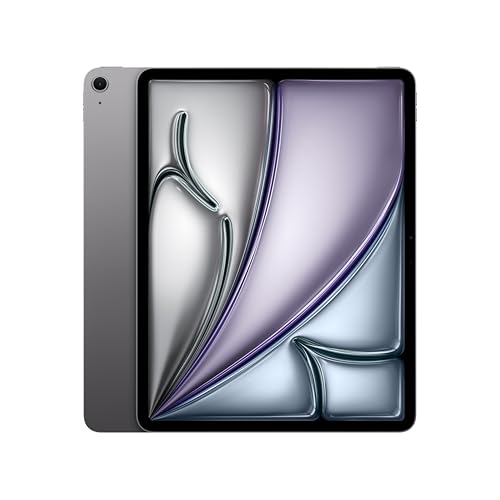
1. Apple iPad Air 13-inch (M4) — Best Overall for College Students
The iPad Air 13-inch with the M4 chip hits a sweet spot that's hard to beat for college use. It packs laptop-grade processing power into a thin, lightweight body that won't weigh down a backpack during a full day of classes. The 13-inch Liquid Retina display offers plenty of screen real estate for split-screen multitasking — reading a textbook on one side while typing notes on the other feels natural and comfortable. Wi-Fi 7 support means faster, more reliable connections in crowded campus networks where older devices might struggle.
Performance-wise, the M4 chip handles everything a typical college student throws at it without breaking a sweat. Video editing for a media class, running multiple browser tabs for research, sketching diagrams with an Apple Pencil — it all runs smoothly. Apple Intelligence features add practical tools like text summarization and writing assistance that come in handy during study sessions. The all-day battery life consistently delivers 10+ hours, which means leaving the charger at the dorm is totally doable.
Storage options go up to 1TB, though the 256GB base model works fine for most students who rely on cloud storage. The 12MP cameras on both front and back handle video calls and document scanning well enough, even if they won't replace a dedicated camera. Touch ID provides quick, secure unlocking. For students who want one device that does almost everything a laptop can do at a lower weight, this is the one to beat.
Pros:
- M4 chip delivers laptop-class performance for demanding apps and multitasking
- Large 13-inch Liquid Retina display is ideal for split-screen studying
- Wi-Fi 7 ensures fast, stable connections on busy campus networks
- All-day battery life easily lasts through a full schedule of classes
Cons:
- Accessories like Apple Pencil and Magic Keyboard add significant cost
- The 13-inch size may feel too large for students who prefer ultra-portable devices
2. Apple iPad 11-inch (A16) — Best Budget iPad for Students
Not every college student needs — or can afford — a premium tablet, and the standard iPad 11-inch with the A16 chip proves that entry-level doesn't mean underpowered. This is Apple's most affordable iPad, and it handles the core tasks that make up 90% of college work without any complaints. Note-taking, web browsing, video streaming, reading e-textbooks, and joining Zoom lectures all run flawlessly on the A16 processor. The 11-inch Liquid Retina display with True Tone (a feature that adjusts screen warmth to match ambient lighting) looks sharp and easy on the eyes during long study sessions.
The jump to USB-C is a welcome change, making it compatible with the same cables and accessories as most modern laptops. Battery life stretches through a full day of classes, and the 128GB base storage is generous enough for most students. Four color options — including a cheerful Pink — let buyers express a bit of personality. The 12MP front and rear cameras handle video calls and document scanning capably, and the front camera's Center Stage feature keeps users centered in the frame during virtual study groups.
Where this iPad shows its budget roots is in the lack of ProMotion (the screen refreshes at 60Hz, which is perfectly fine for most tasks but noticeably less smooth than higher-end models during scrolling), and it doesn't support the latest Apple Pencil Pro. For students whose workflow revolves around reading, writing, and watching lectures, those compromises barely matter. It's an outstanding value for the price.
Pros:
- Most affordable way into the Apple iPad ecosystem
- A16 chip handles all standard college tasks smoothly
- USB-C port for universal accessory compatibility
- 128GB base storage is generous for the price
Cons:
- 60Hz display lacks the smoothness of ProMotion models
- No Apple Pencil Pro support — limited to older Pencil models
3. Microsoft Surface Pro 12" (2025) — Best for Windows Users
For students who need full Windows 11 in a tablet form factor, the 2025 Surface Pro is the strongest option available. Powered by a Snapdragon X Plus processor with 8 cores, it delivers genuinely fast performance while sipping battery life more conservatively than Intel-based alternatives. The 12-inch touchscreen display is bright and responsive, and the built-in kickstand adjusts to virtually any angle — perfect for propping up on a lecture hall desk or a cramped café table. As a Copilot+ PC, it comes loaded with AI-powered tools for writing assistance, content summarization, and multitasking.
The real appeal here is versatility. Pop the kickstand and use it as a tablet for reading or sketching. Snap on the Surface Pro Keyboard (sold separately, unfortunately) and it transforms into a proper laptop with a trackpad and a comfortable typing experience. With 16GB of RAM and 512GB of storage, this configuration handles heavier workloads without flinching — running desktop software like full Microsoft Office, specialized academic programs, or even light coding environments. Students pursuing fields like finance or business will appreciate having full Windows compatibility for industry-standard applications.
The main trade-off is cost. Once the keyboard cover is factored in, the total price climbs well above the base sticker price. There's also the reality that some older Windows applications don't run natively on ARM-based Snapdragon chips yet, though compatibility has improved dramatically in 2025-2026. For students already invested in the Windows ecosystem or those who need specific desktop software, this is the tablet that closes the gap between tablet convenience and laptop capability.
Pros:
- Full Windows 11 with desktop app support — no compromises on software
- Snapdragon X Plus delivers strong performance with excellent battery efficiency
- 16GB RAM and 512GB storage handle demanding academic workloads
- Built-in kickstand and 2-in-1 design offer true laptop/tablet flexibility
Cons:
- Keyboard cover sold separately, adding to the overall cost
- Some legacy Windows apps may have ARM compatibility issues
4. Apple iPad Pro 11-inch (M5) — Best for Creative and STEM Students
The iPad Pro 11-inch with the M5 chip is pure overkill for basic note-taking — and that's exactly the point. This is the tablet for students in creative programs, engineering, architecture, or any field where heavy lifting is part of the daily routine. The Ultra Retina XDR display (Apple's term for a display with extreme brightness, contrast, and color accuracy) renders colors with professional-grade precision, making it indispensable for graphic design, photo editing, and video production coursework. The M5 chip, paired with 16GB of memory and Neural Accelerators, tears through tasks that would slow down lesser tablets.
Face ID replaces Touch ID on the Pro line, offering hands-free unlocking that's especially convenient when juggling a stylus and a coffee. The LiDAR scanner (a depth-sensing laser used for 3D scanning and augmented reality) opens up possibilities for architecture and interior design students who work with AR modeling apps. Wi-Fi 7 with the Apple N1 chip ensures fast, stable connectivity. The 12MP landscape front camera is positioned for natural framing during video calls — a small but thoughtful design choice. Storage options reach up to 2TB for students working with large video or 3D model files.
The elephant in the room is price. The 512GB model reviewed here sits at the premium end of the tablet market, and that's before adding an Apple Pencil Pro and Magic Keyboard. For students who genuinely need this level of performance — running Procreate, LumaFusion, or CAD applications regularly — the investment pays for itself. For everyone else, the iPad Air offers 90% of the experience at a significantly lower cost. Students considering this for video editing or design work should also look at our guide to the best laptops for Adobe Premiere to compare the tablet workflow against a traditional laptop setup.
Pros:
- M5 chip with Neural Accelerators delivers workstation-level performance
- Ultra Retina XDR display with professional-grade color accuracy
- LiDAR scanner enables advanced AR and 3D scanning applications
- Up to 2TB storage for massive project files
Cons:
- Significantly more expensive than the iPad Air — diminishing returns for casual users
- Accessories push the total investment well past many laptop alternatives
5. Samsung Galaxy Tab S10 FE — Best Android Tablet for Students
Samsung's Galaxy Tab S10 FE fills an important gap: a capable, mid-range Android tablet that includes an S Pen stylus in the box at no extra charge. That alone makes it a strong contender for budget-conscious students who want handwritten note-taking without the added expense of a separate stylus. The large display with a 90Hz refresh rate (meaning the screen updates 90 times per second for smoother scrolling and animations) makes reading, browsing, and media consumption feel fluid and responsive. Dual speakers deliver solid audio quality for lectures, podcasts, and study playlists.
The Exynos 1580 processor provides dependable performance for typical student tasks — Google Docs, web research, streaming, and note-taking apps all run well. Samsung's Galaxy AI features, including Circle to Search (just circle anything on screen to instantly search for it) and Handwriting Assist (which straightens and aligns messy handwritten notes automatically), are genuinely useful in an academic context. IP68 water resistance adds peace of mind for students who eat, drink, and study in close proximity. With 256GB of storage, there's plenty of room for downloaded lecture recordings and offline study materials.
Android tablets still lag behind iPads in terms of tablet-optimized app selection, though Samsung's DeX mode (a desktop-like interface) helps bridge the gap for productivity tasks. The Exynos chip also can't match the raw performance of Apple's M-series for demanding creative work. But for students who prefer the Android ecosystem, already own Samsung phones, or want an included stylus without paying Apple Pencil prices, the Tab S10 FE is the clear pick in 2026.
Pros:
- S Pen included — no need to buy a separate stylus for note-taking
- 90Hz display provides smooth scrolling and comfortable reading
- IP68 water resistance protects against spills and rain
- Galaxy AI features like Circle to Search and Handwriting Assist are genuinely useful for studying
Cons:
- Android tablet app ecosystem still trails iPadOS for tablet-optimized apps
- Exynos processor can't match Apple M-series chips for heavy creative work
6. Apple iPad mini (A17 Pro) — Best Ultra-Portable Option
The iPad mini won't be the primary study device for most students, but it excels in a role that larger tablets simply can't fill: an ultra-portable companion that goes everywhere without a second thought. At 8.3 inches with an incredibly light body, it fits into jacket pockets, small crossbody bags, and anywhere else a larger tablet would be impractical. The A17 Pro chip (the same processor found in the iPhone 15 Pro) packs surprising power into this small package, and Apple Intelligence support brings smart writing tools and summaries to a pocketable form factor.
The Liquid Retina display features P3 wide color gamut and True Tone, which means content looks vibrant and the screen adapts to ambient lighting conditions automatically. The ultra-low reflectivity coating is a standout feature for reading outdoors between classes. Wi-Fi 6E provides fast connectivity, and the 12MP Ultra Wide front camera with Center Stage keeps users nicely framed during FaceTime study sessions. Apple Pencil Pro compatibility turns it into a surprisingly capable little sketchpad or note-taking device, despite the compact screen.
The obvious limitation is screen size. Extended writing sessions, split-screen multitasking, and spreadsheet work all feel cramped on 8.3 inches. The 128GB base storage is adequate but fills up quickly if offline video lectures are part of the routine. The iPad mini works best as a secondary device paired with a laptop, or as a primary tablet for students whose coursework is predominantly reading-heavy — think literature, history, or philosophy majors who spend hours with digital textbooks and PDFs. For those use cases, the portability advantage is massive.
Pros:
- Ultra-portable 8.3-inch design that fits almost anywhere
- A17 Pro chip delivers strong performance relative to its size
- Apple Intelligence and Apple Pencil Pro support in a pocketable form factor
- Ultra-low reflectivity display is excellent for outdoor reading
Cons:
- 8.3-inch screen is too small for comfortable split-screen multitasking
- Best suited as a secondary device rather than a laptop replacement
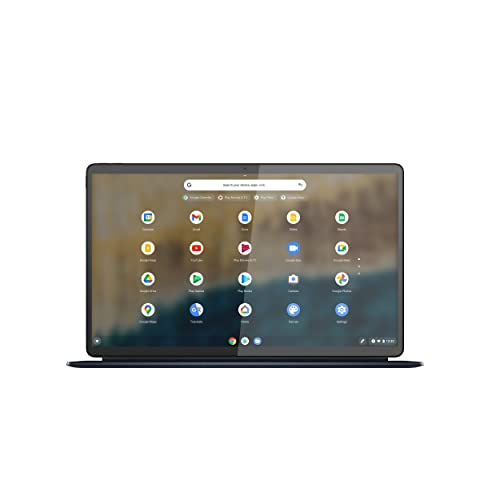
7. Lenovo IdeaPad Duet 5 Chromebook — Best Budget-Friendly Option
The Lenovo IdeaPad Duet 5 Chromebook proves that a tight budget doesn't have to mean a compromised experience. The standout feature is its 13.3-inch Samsung OLED display — at this price point, getting an OLED screen (which offers perfect blacks, vivid colors, and wide viewing angles) is genuinely remarkable. The 100% DCI-P3 color gamut and 400-nit brightness make it one of the best screens in its class for watching lectures, reading, or streaming. It's a visual experience that punches far above its weight.
Chrome OS keeps things fast and simple. It boots in seconds, updates automatically in the background, and runs web apps, Android apps, and Linux applications (for students who want to dabble in coding). The detachable fabric folio keyboard transforms it from a tablet into a surprisingly usable laptop, and the included stylus support adds flexibility for handwriting or quick sketches. Battery life is outstanding at up to 15 hours — enough to get through even the longest study marathon without hunting for an outlet. For students who live primarily in Google Workspace (Docs, Sheets, Slides) and web-based tools, Chrome OS handles everything seamlessly.
The Snapdragon SC7180 processor and 4GB of RAM are where the budget reality shows up. Heavy multitasking with many browser tabs, or running demanding Android apps, can slow things down noticeably. The 64GB storage is tight, though cloud storage mostly compensates. Students looking at a 2-in-1 laptop under $400 should seriously consider this Chromebook as an alternative — it offers a better display than most budget laptops while covering the same core use cases. It's the ideal pick for students who need a reliable, affordable device for writing papers, researching, and attending virtual classes.
Pros:
- Stunning 13.3-inch OLED display with 100% DCI-P3 color gamut — rare at this price
- Up to 15 hours of battery life for all-day use
- Detachable keyboard and stylus support add versatility
- Chrome OS is fast, secure, and low-maintenance
Cons:
- 4GB RAM and Snapdragon SC7180 struggle with heavy multitasking
- 64GB storage requires reliance on cloud storage
Choosing the Right Tablet for College: A Buying Guide
Performance and Processing Power
The processor inside a tablet determines how smoothly it handles everything from basic web browsing to demanding creative applications. For most college students, a mid-range chip like Apple's A16 or Samsung's Exynos 1580 handles everyday tasks — note-taking, web research, document editing, and video streaming — without any issues. Students in creative fields (graphic design, video production, music production) or STEM programs (engineering, computer science, data analysis) should look at higher-end processors like the Apple M4 or M5, which deliver the horsepower needed for professional-grade applications. RAM matters too: 4GB works for light Chrome OS usage, 8GB covers most needs comfortably, and 16GB provides headroom for running multiple demanding apps simultaneously.
Display Size and Quality
Screen size is largely a matter of personal preference and how the tablet will be used. An 8.3-inch screen like the iPad mini is fantastic for reading but cramped for essay writing or split-screen multitasking. The 10-to-11-inch range (iPad 11-inch, Surface Pro 12") hits the sweet spot for most students — large enough for comfortable work, small enough to carry easily. The 13-inch class (iPad Air 13-inch, Lenovo Duet 5) approaches laptop territory and works well for students who plan to use their tablet as a primary device. Display technology matters too: OLED screens offer richer colors and deeper blacks, while LCD panels with features like True Tone provide comfortable viewing across different lighting conditions.
Battery Life and Portability
A tablet that dies mid-lecture defeats the purpose. All seven tablets on this list deliver genuine all-day battery life, but there's meaningful variation. The Lenovo Duet 5's 15-hour claim leads the pack, while Apple's iPads consistently deliver 10+ hours of mixed use. Weight matters for students walking across campus all day — lighter devices reduce fatigue, but larger screens inevitably mean more weight. Think about the daily routine: a student commuting by bus or bike benefits more from an ultra-portable option than a student who walks 200 feet from a dorm room to a classroom building.
Accessories and Ecosystem
The base tablet price rarely tells the whole story. Keyboards, styluses, cases, and screen protectors can add $100 to $400+ on top of the tablet itself. Apple Pencil Pro costs extra, while the Samsung Galaxy Tab S10 FE includes an S Pen in the box. The Surface Pro's keyboard cover is practically essential but sold separately. Consider the broader ecosystem too — students already using iPhones benefit from seamless iPad integration (AirDrop, Handoff, shared clipboard), while Android phone users get similar synergy with Samsung tablets. Compatibility with campus printers, learning management systems, and required software should also factor into the decision.
FAQs
Can a tablet fully replace a laptop for college?
For many students, yes. Tablets like the iPad Air with a keyboard case or the Surface Pro handle word processing, web browsing, email, video calls, and most web-based academic tools with ease. However, students in programs that require specialized desktop software — certain engineering CAD programs, advanced statistical packages, or platform-specific development tools — may still need a laptop alongside their tablet. The Surface Pro comes closest to full laptop replacement since it runs the complete Windows 11 operating system.
How much storage do college students actually need in a tablet?
For most students, 128GB to 256GB covers the bases comfortably. Documents, notes, and presentations take up minimal space. The biggest storage consumers are offline video content, downloaded music, and large apps. Students who stream most media and use cloud storage services like Google Drive or iCloud can get by with 128GB. Those who download lecture recordings, work with video files, or keep large libraries of offline content should aim for 256GB or higher. The 64GB on the Lenovo Duet 5 works only because Chrome OS leans heavily on cloud storage.
Is an iPad or Android tablet better for college?
iPads currently have the edge in tablet-optimized apps, stylus experience (with Apple Pencil), and long-term software support. Android tablets like the Samsung Galaxy Tab S10 FE offer more flexibility, better file management, and tighter integration with Android phones. The "better" choice depends on existing ecosystem preferences and specific needs. Students already using iPhones and Macs will find iPads integrate more seamlessly. Android phone users benefit from Samsung's cross-device features. Both platforms handle core college tasks — note-taking, web research, document editing — equally well.
Do college students need a cellular (LTE/5G) tablet or is Wi-Fi enough?
Wi-Fi only models work for the vast majority of college students. Campus Wi-Fi networks cover classrooms, libraries, dorms, and common areas. Most smartphones can share their cellular connection via hotspot for the rare moments without Wi-Fi access. Cellular models cost $100-$150 more upfront plus require a monthly data plan. The exception might be students who frequently commute long distances by train or bus and want consistent connectivity during travel — in that case, a cellular model may justify the extra cost.
Which tablet is best for handwritten note-taking in class?
The iPad Air or iPad Pro paired with an Apple Pencil Pro offers the best overall handwriting experience — the latency is nearly imperceptible, and apps like GoodNotes and Notability are exceptionally polished. The Samsung Galaxy Tab S10 FE is the best value for note-taking since the S Pen comes included at no extra charge, and Samsung's Handwriting Assist feature automatically cleans up messy handwriting. The Surface Pro supports the Surface Slim Pen with solid inking performance, plus the advantage of running full Windows note-taking apps like OneNote desktop.
How long should a college tablet last before needing replacement?
A quality tablet purchased in 2026 should comfortably last through a four-year degree. Apple typically provides iPadOS updates for 5-6 years after release, and Samsung has committed to extended Android update support for its Galaxy Tab S series. Chrome OS devices receive automatic updates for about 8-10 years. Battery degradation is the most common reason tablets feel "old" — after 2-3 years of heavy daily use, battery capacity may drop to 80-85% of its original level. Protecting the battery by avoiding extreme temperatures and not consistently charging to 100% helps extend its useful lifespan.
Buy on Walmart
- Apple iPad Air 13-inch (M4): Liquid Retina Display, 256GB, 1 — Walmart Link
- Apple iPad 11-inch: A16 chip, 11-inch Model, Liquid Retina D — Walmart Link
- Microsoft Surface Pro 2-in-1 Laptop/Tablet (2025), Windows 1 — Walmart Link
- Apple iPad Pro 11-inch (M5): Ultra Retina XDR Display, 512GB — Walmart Link
- Samsung Galaxy Tab S10 FE 256GB WiFi Android Tablet, Large D — Walmart Link
- Apple iPad mini (A17 Pro): Apple Intelligence, 8.3-inch Liqu — Walmart Link
- Lenovo 82QS0000US, IdeaPad Duet 5 Chromebook, OLED 13.3" FHD — Walmart Link
Buy on eBay
- Apple iPad Air 13-inch (M4): Liquid Retina Display, 256GB, 1 — eBay Link
- Apple iPad 11-inch: A16 chip, 11-inch Model, Liquid Retina D — eBay Link
- Microsoft Surface Pro 2-in-1 Laptop/Tablet (2025), Windows 1 — eBay Link
- Apple iPad Pro 11-inch (M5): Ultra Retina XDR Display, 512GB — eBay Link
- Samsung Galaxy Tab S10 FE 256GB WiFi Android Tablet, Large D — eBay Link
- Apple iPad mini (A17 Pro): Apple Intelligence, 8.3-inch Liqu — eBay Link
- Lenovo 82QS0000US, IdeaPad Duet 5 Chromebook, OLED 13.3" FHD — eBay Link
Final Thoughts
The right tablet can transform the college experience — turning a backpack full of textbooks into a single lightweight device that handles everything from note-taking to creative projects. Whether the priority is raw power for demanding coursework, a budget-friendly option that covers the basics, or something small enough to carry everywhere, one of these seven tablets fits the bill. Take a close look at the courses ahead, think about how the tablet will be used day to day, and pick the one that matches those real-world needs. The best tablet is the one that actually gets used every single day.
 |
 |
 |
 |

About Priya Anand
Priya Anand covers laptops, tablets, and mobile computing for Ceedo. She holds a bachelor degree in computer science from the University of Texas at Austin and has spent the last nine years writing reviews and buying guides for consumer electronics publications. Before joining Ceedo, Priya worked as a product analyst at a major retailer where she helped curate the laptop and tablet category. She has personally benchmarked more than 200 portable computers and is particularly interested in battery longevity, repairability, and the trade-offs between Windows, macOS, ChromeOS, and Android tablets. Outside of work, she runs a small Etsy shop selling laptop sleeves she sews herself.