 ee
eeBest Conference Room Projectors 2026
You've booked the conference room, scheduled the all-hands meeting, and now you're staring at a projector that washes out every slide the moment someone opens a window blind. Finding the right conference room projector in 2026 means navigating a crowded market full of competing brightness claims, resolution specs, and laser versus lamp debates that can leave even experienced buyers second-guessing themselves. This guide cuts through the noise and puts seven serious contenders under the microscope so you can walk into that next meeting with a display that actually does your work justice.
Conference room projectors operate in a fundamentally different environment than home theater units, and the differences matter enormously when you're making a buying decision. A boardroom typically has overhead lighting that can't be fully dimmed, ambient glare from windows, and an audience sitting at varying distances from the screen. That means you need robust lumen output—generally 4,000 lumens at a minimum for a mid-size room and 6,000 or more for larger auditoriums—alongside sharp native resolution so text-heavy slides and spreadsheets remain crisp at the back of the room. If you're also evaluating display options for other use cases, our Best Gaming Projector 2026 guide covers high-refresh-rate units optimized for very different priorities.
The seven projectors reviewed here span a wide price and performance range, from the workhorse InFocus IN136 aimed at budget-conscious IT departments to the high-end Sony BrightEra VPL-FHZ85 laser unit designed for large permanent installations. All of them support at least WXGA resolution, and most hit the WUXGA 1920×1200 native standard that has become the go-to benchmark for professional conference room displays. Browse the full projectors category for additional options, and read on for everything you need to make a confident, well-informed purchase.
Contents
Best Choices for 2026
- #PreviewProductRating
- Bestseller No. 1
 Rating:

- Bestseller No. 2
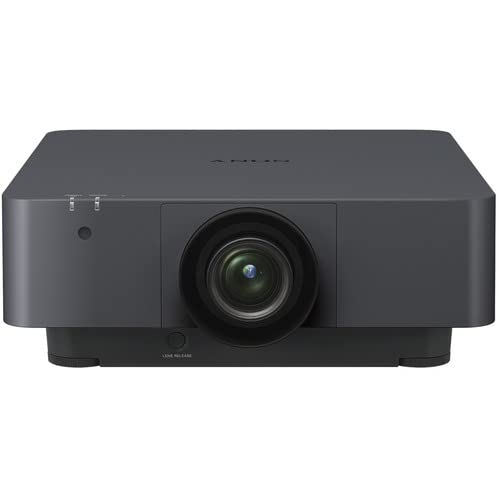 Rating:
- Bestseller No. 3
 Rating:
- Bestseller No. 4
 Rating:
 - Bestseller No. 5
 Rating:
 - Bestseller No. 6
 Rating:
 - Bestseller No. 7
 Rating:
Our Hands-On Reviews

1. Epson PowerLite 2255U Wireless Full HD WUXGA 3LCD Projector — Best All-Around Pick
The Epson PowerLite 2255U remains one of the most capable mid-range conference room projectors you can buy in 2026, delivering 5,000 lumens of color and white brightness through Epson's proven 3LCD imaging system. Unlike single-chip DLP designs that can introduce the rainbow effect for light-sensitive viewers, the 3LCD engine renders colors simultaneously across all three channels, which translates to presentations, charts, and video that look accurate and vibrant even under the harsh fluorescent overhead lighting common in corporate environments. The native WUXGA 1920×1200 resolution gives you the extra vertical pixel rows compared to standard 1080p, which matters significantly when displaying wide spreadsheets or software interfaces that benefit from the taller aspect ratio.
Wireless connectivity is one of the standout strengths of this unit, with built-in Wi-Fi that supports Epson's iProjection app for cable-free screen mirroring from laptops, tablets, and smartphones. You still get dedicated HDMI and MHL ports for wired connections when wireless isn't an option, along with a VGA input for legacy hardware that many conference rooms still rely on. The split-screen feature lets you display two sources simultaneously, which is genuinely useful during collaborative sessions where participants need to compare content from different devices side by side without switching inputs.
Installation flexibility is excellent across a variety of room configurations thanks to the 1.6x optical zoom and manual vertical and horizontal keystone correction, so ceiling-mount or cart-based setups both accommodate the 2255U with minimal hassle. The lamp-based light source does mean you'll eventually need to budget for bulb replacements, but the 5,000-hour normal mode rating keeps maintenance intervals reasonable for daily conference use. If your organization runs all-day training sessions or extended presentations on a regular basis, the Economy mode extends lamp life to 6,000 hours and reduces operating noise, making it an even more practical choice for high-utilization environments.
Pros:
- 5,000 lumens handles well-lit conference rooms without image washout
- Built-in wireless and iProjection app simplify cable-free presentations
- WUXGA native resolution displays detailed spreadsheets and software UIs clearly
Cons:
- Lamp-based light source requires eventual replacement, adding long-term cost
- Wireless performance can be inconsistent on congested corporate Wi-Fi networks
2. Sony BrightEra VPL-FHZ85 3LCD Projector — Best for Large Permanent Installations
The Sony BrightEra VPL-FHZ85 is an enterprise-grade laser projector that targets boardrooms, auditoriums, and training facilities where image quality and long-term reliability are non-negotiable priorities. With 7,300 lumens of output, it stands among the brightest projectors in this review, handling large screens in rooms where ambient light simply cannot be controlled—think conference halls with floor-to-ceiling windows or multipurpose spaces that double as event venues. The native WUXGA 1920×1200 resolution pairs with Sony's BrightEra 3LCD panel technology to produce images with exceptional color accuracy and uniformity, which is particularly important when displaying brand presentations where consistent color reproduction directly reflects on your organization's professionalism.
Sony's laser light source is the headline feature here, and the numbers back up the premium price point. Normal mode delivers 20,000 hours of operation before the light source degrades to 50% brightness, with Economy mode extending that to 30,000 hours—figures that represent a decade or more of daily use in most corporate environments. That eliminates the lamp replacement cycle entirely, which means lower total cost of ownership over the projector's lifetime despite the higher upfront investment. The filter-free design also reduces maintenance requirements further, making the VPL-FHZ85 a genuinely low-hassle choice for facilities managers who need reliable performance without frequent service calls.
Connectivity covers HDMI, DVI, and HDBaseT for long-distance signal transmission through a single Cat cable—a practical advantage for permanently installed setups where running multiple cables through walls and ceilings is costly and disruptive. The ceiling-mount design and extensive lens shift capability give installers significant flexibility in positioning the projector relative to the screen, and the network control features allow IT administrators to manage multiple units remotely via a standard web browser interface. According to Wikipedia's overview of projector technology, laser-phosphor light sources like Sony's have become the preferred choice for commercial installations precisely because of their combination of brightness, color stability, and maintenance-free operation.
Pros:
- 7,300 lumens and laser light source deliver outstanding brightness and longevity
- Up to 30,000-hour lamp life eliminates replacement cycles entirely
- HDBaseT connectivity simplifies permanent installation wiring
Cons:
- Premium price puts it beyond reach for budget-conscious buyers
- Overkill for small conference rooms with manageable ambient light
3. Panasonic PT-VMZ60U LCD Projector — Best Laser Projector for Mid-Size Rooms
Panasonic's PT-VMZ60U occupies a sweet spot in the conference room market by combining a solid-state laser light source with 6,000 lumens of brightness at a price point that's more accessible than the Sony BrightEra while still delivering genuinely impressive long-term performance. The native WUXGA 1920×1200 resolution and 3,000,000:1 contrast ratio combine to produce images with remarkable depth and clarity, making it equally capable whether you're running a data-heavy financial presentation or screening training videos for a room full of employees. The white casing blends cleanly into the modern drop-ceiling environments found in most corporate office buildings, and the relatively compact form factor compared to previous Panasonic commercial models simplifies both transport and permanent installation.
The laser light source is rated at 10,000 hours in Normal mode and 20,000 hours in Economy mode, which represents a substantial long-term maintenance advantage over lamp-based competitors at a similar price. No filter maintenance is required, which eliminates one of the most commonly neglected upkeep tasks on traditional projectors and reduces the risk of overheating-related failures in high-use environments. The geometric adjustment features go well beyond basic keystone correction, including horizontal and vertical keystone and a 4-corner correction tool that lets you compensate for installation angles that would otherwise compromise image geometry.
Connectivity is comprehensive, with HDMI, VGA, and USB inputs covering the full range of modern and legacy source devices your meeting attendees are likely to bring. The USB input supports direct playback from thumb drives, which is useful for presenters who want to run slides without connecting a laptop. The projector's 0.8:1 throw ratio on the standard lens makes it workable in shorter throw distances than many competitors, reducing the constraint that ceiling height or room depth places on your installation planning. For organizations that need a capable projector across multiple room types without the budget for top-tier enterprise hardware, the PT-VMZ60U delivers excellent value in 2026.
Pros:
- Laser light source with 20,000-hour Economy mode eliminates lamp replacements
- 6,000 lumens handles large rooms and challenging ambient light conditions
- Advanced geometric correction accommodates difficult installation angles
Cons:
- Short-throw lens sold separately for specialized installation configurations
- No built-in wireless connectivity without an optional adapter
4. LG Electronics ProBeam BF60PST 6000 Lumen WUXGA Laser Projector — Best for Versatile Screen Sizes
LG's ProBeam BF60PST is a 6,000-lumen WUXGA laser projector that distinguishes itself through an exceptionally wide screen size range—40 inches to 300 inches—making it one of the most versatile units in this review for organizations that use a single projector across multiple room configurations. Whether you're projecting onto a small screen in an executive conference room or filling a 150-inch display in a large training auditorium, the BF60PST delivers consistent WUXGA sharpness without the image quality degradation that lamp-based projectors suffer as their bulbs age. The native 1920×1200 resolution handles widescreen content and standard presentation slides equally well, and the throw distance range of 9.4 to 15.2 feet gives installers reasonable flexibility in ceiling or shelf positioning.
LG's laser engine is a core selling point, delivering a consistent color gamut and brightness profile over thousands of hours without the gradual degradation that characterizes traditional lamp technology. The solid-state light source also enables faster startup times than lamp-based projectors, which typically require a warm-up period before reaching full brightness—a small but noticeable practical advantage when you're rushing to start a meeting on time. The BF60PST supports a range of input formats including HDMI, which covers the overwhelming majority of modern source devices, and LG's webOS-based smart platform adds built-in content streaming capabilities that reduce dependence on external devices for routine presentations.
The ProBeam's build quality reflects LG's commercial product line standards, with a robust chassis designed for the rigors of daily use in environments where the projector sees heavy traffic from multiple users. The cooling system manages operating temperatures effectively without excessive fan noise, which matters in quiet executive meeting rooms where audible cooling systems can distract from the presentation. For buyers who need a single projector that can adapt to diverse screen sizes and room types without sacrificing image quality, the BF60PST is a compelling choice that competes strongly with both Panasonic and Sony alternatives at comparable price points in 2026.
Pros:
- 40" to 300" screen size range covers virtually any conference room configuration
- Laser engine provides consistent brightness and color over its full lifespan
- Fast startup time keeps meetings on schedule without warm-up delays
Cons:
- webOS smart platform adds complexity that some IT departments prefer to avoid
- Higher price than lamp-based competitors at similar lumen ratings
5. Hitachi CP-WU8451 Install Series WUXGA 5000 Lumens — Best for Fixed Installations with Budget Constraints
The Hitachi CP-WU8451 is a purpose-built installation projector that brings 5,000 lumens and native WUXGA resolution to conference rooms where the projector will be ceiling-mounted and rarely moved after initial setup. Hitachi designed this unit specifically for the Install Series market, meaning the feature set prioritizes the needs of AV integrators and facilities managers rather than portability or plug-and-play simplicity. The 330W lamp produces strong, even illumination across the entire projected area, and the 5,000:1 contrast ratio delivers solid shadow detail and color depth for mixed-use environments that show both detailed presentations and video content throughout the workday.
The 2,500-hour normal mode lamp life is shorter than what you get from laser competitors, but the 3,500-hour Economy mode rating and the relatively lower price of Hitachi replacement lamps help keep total cost of ownership manageable for organizations that have established lamp replacement procedures in their facilities maintenance workflows. The projector's HDMI and USB connectivity covers modern source devices, and the 1920×1200 native resolution ensures that WUXGA content from laptops, dedicated presentation PCs, and video conferencing systems displays without downscaling or letterboxing. The 16:10 aspect ratio matches the native output of most business laptops, which means you're working with the full pixel count rather than the letterboxed image you'd get on a 16:9 display.
The 3-year warranty provides meaningful peace of mind for organizations that need the confidence of manufacturer-backed support coverage during the critical early years of an installation. The Hitachi CP-WU8451 isn't the flashiest projector in this review, but it delivers solid, dependable performance at a price point that makes it a practical choice for multi-room rollouts where budget must be distributed across several units simultaneously. If you're outfitting five conference rooms on a limited budget and need consistent, professionally adequate image quality in all of them, this Hitachi earns serious consideration.
Pros:
- WUXGA native resolution provides full pixel count for 16:10 laptop output
- 3-year warranty offers strong coverage for commercial installation environments
- Designed specifically for Install Series ceiling-mount applications
Cons:
- 2,500-hour normal lamp life is shorter than laser competitors
- No wireless connectivity for cable-free presentation scenarios
6. InFocus IN136 DLP WXGA 4000 Lumens — Best Budget-Friendly Conference Projector
The InFocus IN136 stakes out the budget end of the professional conference room projector market with 4,000 lumens of DLP brightness and WXGA 1280×800 resolution at a price that's substantially lower than the WUXGA laser units higher on this list. For small to medium conference rooms with reasonable lighting control, the IN136 delivers genuinely capable performance that will satisfy most presentation use cases without the capital expenditure required for higher-end alternatives. The 28,500:1 contrast ratio is a strong number at this price point, producing images with good black depth and color separation that make charts and data visualizations read clearly from across the room.
The TechStation HDMI bay is a genuinely clever feature that distinguishes the IN136 from generic budget projectors—it accepts Google Chromecast, Amazon Fire TV Stick, Intel Compute Stick, and similar streaming devices directly into the projector body, effectively turning your conference room display into a self-contained smart presentation hub without requiring a separate laptop or media player. That capability is particularly valuable in rooms used for video conferencing, training videos, or streaming presentations where presenters need content delivery without the complexity of connecting individual devices. Three HDMI inputs provide additional connection flexibility for rooms with multiple permanent source devices.
The lamp life specification is one of the most compelling figures in the entire IN136 package, with up to 15,000 hours rated in Dynamic mode—a figure that rivals some laser projectors and dramatically reduces replacement frequency compared to projectors with 3,000 to 5,000-hour lamp ratings. The VGA input and 3D compatibility add to the versatility, and the Wi-Fi ready designation means you can add wireless functionality via an optional adapter when the need arises. If you're evaluating display options for other professional contexts, the principles behind choosing a projector for business use also apply to specialized environments like those covered in our Best Projectors For Golf Simulator 2026 guide, where throw distance and brightness requirements follow similar logic.
Pros:
- TechStation HDMI bay supports Chromecast, Fire Stick, and compute sticks directly
- Up to 15,000-hour lamp life in Dynamic mode minimizes replacement costs
- Competitive price makes it practical for multi-room budget rollouts
Cons:
- WXGA 1280×800 resolution falls short of WUXGA standard for demanding presentations
- 4,000 lumens can struggle in brightly lit rooms without light management
7. RICOH PJ WUL5A50 Compact 3LCD Laser Projector — Best Compact Laser for Mid-Size Meeting Rooms
The RICOH PJ WUL5A50 earns its place in the 2026 lineup by combining the long-life advantages of a solid-state laser light source with a compact form factor and a 360-degree installation capability that sets it apart from conventional ceiling-mount-only units. With 5,200 lumens of brightness from a 3LCD laser engine and native WUXGA 1920×1200 resolution, it delivers image quality that competes directly with much larger and heavier units, making it an excellent choice for mid-size meeting rooms where you want serious performance without a bulky ceiling installation dominating the room's aesthetic. The 4K input compatibility means you're not sacrificing future-readiness, even though the native panel resolution stays at WUXGA.
The 360-degree installation flexibility is a genuine differentiator in this product category, allowing the WUL5A50 to be mounted at any angle—upright, inverted, on its side, or at intermediate angles—without compromising the laser light source or image quality. That opens up installation configurations that would be impossible or problematic with lamp-based projectors, particularly in rooms with unusual ceiling geometries, low ceilings with limited overhead mounting space, or configurations where the projector needs to project upward onto a ceiling-mounted screen. The 30 to 300-inch screen size range provides additional flexibility for rooms that vary in scale or layout between uses.
The built-in 16W speaker is a practical inclusion that eliminates the need for a separate audio system in rooms where presentation audio doesn't require audiophile-grade sound reproduction—an IT department's appreciation for one fewer component to manage and troubleshoot is legitimate. The laser light source is rated at 20,000 hours in Standard mode and 30,000 hours in Eco Mode, matching the Sony BrightEra's longevity at a lower price point and with greater installation versatility. For organizations outfitting multiple meeting spaces of varying sizes and ceiling configurations, the WUL5A50's combination of compact design, laser reliability, and 360-degree mounting capability represents one of the strongest value propositions in the 2026 conference room projector market. Those who also need a capable portable option for external presentations should check our Best Cheap 1080P Projector 2026 guide for compact travel-friendly alternatives.
Pros:
- 360-degree installation capability handles unusual ceiling configurations
- 30,000-hour Eco Mode laser life matches top-tier competitors at a lower price
- Built-in 16W speaker eliminates the need for a separate audio component
Cons:
- Compact chassis limits lens shift range compared to full-size installation projectors
- WUXGA native panel doesn't fully exploit 4K input for native 4K content
How to Pick the Best Conference Room Projector
Brightness: Matching Lumens to Your Room's Ambient Light
Lumen output is the single most important specification for conference room use, because a projector that looks stunning in a darkened home theater can become an unreadable gray smear in an office with overhead lighting and open window blinds. For small rooms under 20 feet with controllable lighting, 3,000 to 4,000 lumens is workable, but you'll find yourself constantly managing shades and dimmer switches to compensate. Mid-size conference rooms with standard corporate fluorescent lighting demand a minimum of 5,000 lumens, while large boardrooms, training centers, and auditoriums with ambient light that cannot be fully controlled need 6,000 lumens or more to maintain image visibility across the full audience area. The laser projectors in this review—the Sony, Panasonic, LG, and RICOH—maintain their rated lumen output consistently throughout their operational life, whereas lamp-based units gradually dim as the lamp ages, meaning the 5,000-lumen rating on a lamp projector reflects new-lamp brightness rather than the performance you'll see three years into daily use.
Resolution: Why WUXGA Matters for Business Content
Most of the projectors reviewed here target the WUXGA 1920×1200 resolution standard, and the reason is directly tied to how business content is typically created and consumed. Standard 1080p (1920×1080) covers widescreen video content adequately, but the additional 120 pixel rows in WUXGA's 16:10 aspect ratio make a meaningful practical difference when displaying the toolbars, status bars, and document margins present in productivity software. Spreadsheet applications in particular benefit from the taller aspect ratio, since more rows are visible without scrolling and the data density that financial and operational presentations require becomes more readable from the back of the room. The InFocus IN136's WXGA 1280×800 resolution is the only exception in this group, and while it's sufficient for standard slide decks, it noticeably limits legibility for detailed financial data or software demonstrations where pixel-level clarity matters.
Light Source Technology: Laser vs. Lamp
The lamp-versus-laser decision involves a direct trade-off between upfront cost and long-term operating economics. Lamp-based projectors like the Epson PowerLite 2255U and Hitachi CP-WU8451 cost less to purchase but require lamp replacements every 2,500 to 6,000 hours depending on operating mode, and replacement lamps for commercial projectors typically cost $150 to $400 each—a cost that compounds quickly in high-utilization environments. Laser projectors eliminate that maintenance cycle entirely, with light sources rated at 20,000 to 30,000 hours before reaching 50% brightness, which translates to a decade or more of daily use before any servicing is required. If your conference room projector runs 8 hours per day, 250 days per year, a 20,000-hour laser light source represents roughly a decade of maintenance-free operation. That math makes laser projectors the financially rational choice for any installation that will see heavy daily use, even when the higher upfront price requires additional budget justification.
Connectivity and Installation Flexibility
Your connectivity requirements depend heavily on how your conference room operates day to day and who uses it. Rooms that primarily serve internal staff connecting their company-issued laptops can get by with HDMI and VGA inputs, but rooms that host external clients, visiting presenters, or training sessions with diverse device types need broader connectivity options including USB-A for thumb drives and ideally wireless mirroring capability for device-agnostic presentations. For permanently installed ceiling-mount projectors in larger rooms, HDBaseT connectivity—available on the Sony VPL-FHZ85—simplifies the cabling infrastructure by transmitting video, audio, control signals, and power over a single Cat6 cable, which reduces installation labor costs and cable management complexity significantly. Lens shift and keystone correction capabilities determine how precisely you can align the image without physically repositioning the projector, so evaluate these specifications carefully against your specific room geometry before making a final selection.
Questions Answered
What lumen output do I need for a conference room projector?
For a small conference room under 20 feet with controllable lighting, 3,000 to 4,000 lumens is adequate. Mid-size rooms with standard overhead fluorescent lighting need 5,000 lumens minimum, and large boardrooms or training centers with uncontrollable ambient light require 6,000 lumens or more. Laser projectors maintain their rated output throughout their lifespan, while lamp-based units dim gradually as the lamp ages, so factor that into your real-world brightness expectations.
Is WUXGA resolution better than 1080p for business presentations?
Yes, WUXGA 1920×1200 is generally better for business use than standard 1080p 1920×1080. The 16:10 aspect ratio matches the native output of most business laptops, and the extra 120 vertical pixel rows improve legibility for spreadsheets, software interfaces, and any content that benefits from additional vertical screen real estate. For presentations that include primarily widescreen video content, the difference is less significant, but for data-heavy professional use cases WUXGA is the clear practical choice.
How long do conference room projector lamps last?
Lamp-based projector bulbs typically last 2,500 to 6,000 hours depending on the projector model and operating mode, with Economy modes extending life at the cost of some brightness reduction. At 8 hours per day, 250 days per year, a 5,000-hour lamp lasts about 2.5 years before replacement. Laser projectors sidestep this entirely with light sources rated at 20,000 to 30,000 hours, making them the maintenance-free choice for high-use commercial environments where lamp replacement disrupts operations and adds recurring cost.
Should I choose a laser or lamp projector for my conference room?
Laser projectors are the better long-term investment for any conference room that sees heavy daily use, despite their higher upfront cost. The elimination of lamp replacement cycles, consistent brightness over the projector's operational life, faster startup times, and typically lower total cost of ownership over 5-plus years make laser the rational choice for permanent installations. Lamp-based projectors make sense when budget constraints are severe, when the projector will see light to moderate use, or when the room is likely to be renovated or reconfigured within a few years anyway.
What throw ratio should I look for in a conference room projector?
Throw ratio determines how far back the projector must be positioned to project a given screen size, and the right ratio depends entirely on your room's physical dimensions. A standard throw ratio of 1.5:1 to 2.0:1 works well in rooms where the projector can be positioned 10 to 15 feet from the screen. Short-throw projectors with ratios below 1.0:1 are necessary in compact rooms where ceiling or wall mounting doesn't allow adequate distance. Most of the projectors reviewed here use standard throw lenses, with optional short-throw lenses available as accessories for installations that require them.
Can I use a conference room projector for video conferencing?
Yes, conference room projectors work well for video conferencing applications when paired with an external camera and audio system, since the projector handles the display component while dedicated conferencing hardware handles capture and audio. Units with built-in speakers like the RICOH PJ WUL5A50 reduce the required peripheral count for basic setups, but rooms that prioritize audio quality for video calls benefit from dedicated ceiling or table microphones and amplified speaker systems regardless of which projector you choose. The InFocus IN136's TechStation HDMI bay also simplifies integration with streaming conferencing devices like Google Chromecast or compute sticks.
Buy on Walmart
- Epson PowerLite 2255U Wireless Full HD Wuxga 3LCD Projector, — Walmart Link
- Sony BrightEra VPL-FHZ85 3LCD Projector - 16:10 - Ceiling Mo — Walmart Link
- Panasonic PT-VMZ60U LCD Projector - 16:10 - White - 1920 x 1 — Walmart Link
- LG Electronics ProBeam BF60PST 6000 Lumen WUXGA Laser Projec — Walmart Link
- Hitachi CP-WU8451 Install Series WUXGA 5000 Lumens — Walmart Link
- InFocus IN136 DLP WXGA 4000 Lumens, 3X HDMI, VGA, 3D and Wi- — Walmart Link
- RICOH PJ WUL5A50 Compact 3LCD Laser Projector | 5200 Lumens — Walmart Link
Buy on eBay
- Epson PowerLite 2255U Wireless Full HD Wuxga 3LCD Projector, — eBay Link
- Sony BrightEra VPL-FHZ85 3LCD Projector - 16:10 - Ceiling Mo — eBay Link
- Panasonic PT-VMZ60U LCD Projector - 16:10 - White - 1920 x 1 — eBay Link
- LG Electronics ProBeam BF60PST 6000 Lumen WUXGA Laser Projec — eBay Link
- Hitachi CP-WU8451 Install Series WUXGA 5000 Lumens — eBay Link
- InFocus IN136 DLP WXGA 4000 Lumens, 3X HDMI, VGA, 3D and Wi- — eBay Link
- RICOH PJ WUL5A50 Compact 3LCD Laser Projector | 5200 Lumens — eBay Link
Next Steps
- Measure your conference room's throw distance and screen size to confirm which projectors fit your physical installation constraints before narrowing down your shortlist.
- Check the current price on Amazon for your top two or three candidates, since prices on commercial AV equipment fluctuate and the gap between laser and lamp models narrows regularly.
- Request a demo or 30-day trial from your preferred vendor or reseller so you can evaluate image quality under your room's actual lighting conditions rather than relying solely on spec-sheet lumen ratings.
- Calculate total cost of ownership over five years for lamp-based versus laser options by factoring in replacement lamp costs at your expected utilization rate to make a fully informed financial comparison.
- Verify that your chosen projector's connectivity options match your room's existing AV infrastructure, and budget for any HDMI switchers, HDBaseT transmitters, or wireless adapters needed to complete the installation.
 |
 |
 |
 |

About Sarah Whitford
Sarah Whitford is Ceedo's resident projector and home theater expert. She got her start as a custom AV installer for a regional integrator in the Pacific Northwest, where she designed and installed media rooms and conference spaces for residential and small business clients for over six years. Sarah earned her CTS certification from AVIXA and has personally calibrated more than 150 projectors using Datacolor and SpyderX colorimeters. She is opinionated about throw distance math, contrast ratios, and the realities of ambient light, and she will happily explain why most people should not buy a 4K projector. Sarah lives in Portland with her partner and an aging Akita.